
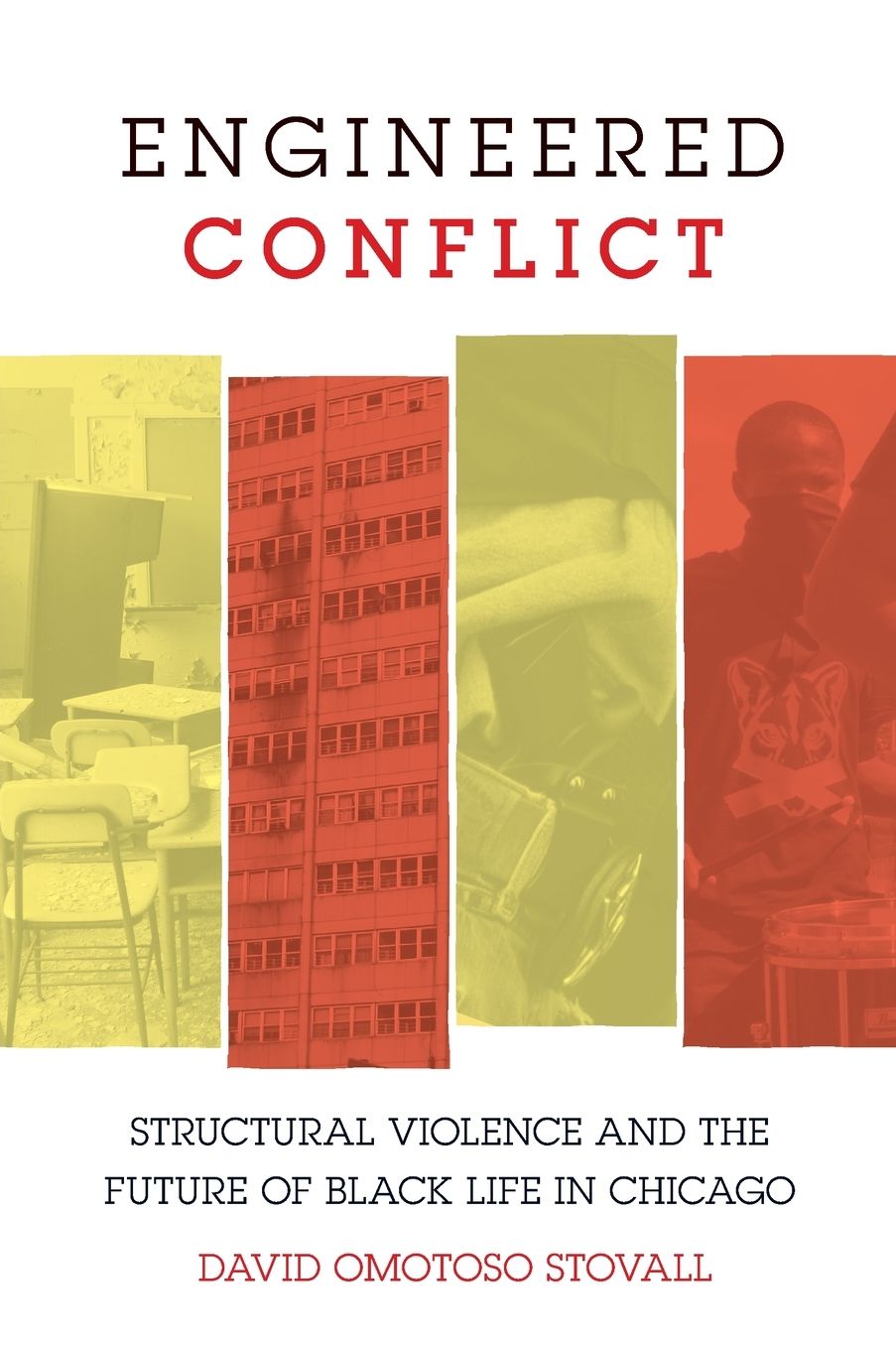
Engineered Conflict: Structural Violence and the Future of Black Life in Chicago
Thank You For Your Reservation
You will receive an email once your order is confirmed. Items will be held for 7 days before being returned to inventory.
Engineered Conflict: Structural Violence and the Future of Black Life in Chicago
Paperback
Prices may vary by store.
Select Store
Picking Up At:
Colfax Ave.
2526 E Colfax Avenue
303-322-7727
Store Hours:
Mon-Sat: 10-8
Colfax Ave.
2526 E Colfax Avenue,
Denver, CO 80206
303-322-7727
Store Hours:
- Mon-Sat: 10-8
- Sunday: 10-6
Aspen Grove
7301 South Santa Fe Drive,
Littleton, CO 80120
303-470-7050
Store Hours:
- Mon-Thu: 10-7
- Fri-Sat: 10-8
- Sunday: 11-6
Union Station
1701 Wynkoop Street in
Historic Lower Downtown Denver
303-535-9980
Store Hours:
- Every Day 8-8
Stanley Marketplace
2501 Dallas Street, Suite 144,
Aurora, CO 80010
212-697-3048
Store Hours:
- Every Day 10-7
After completing your reservation, you'll receive an email when your order is ready. Items will be held for 7 days before being returned to inventory. Payment will be due at pickup. By providing the information below you agree to Barnes & Noble's Privacy Policy which can be viewed here.
An error occurred while reserving your item. Please try again later.
Format: Paperback
Marginalized communities often become understandably preoccupied with a city’s structured attempt to deem them disposable, making it difficult to see people experiencing the same suffering as potential comrades in struggle. Enemies are manufactured as the result of continued displacement, hyper-segregation, and dispossession. Under these impossible circumstances people are often quicker to punch each other before they identify the enemy as white supremacy and capitalism, creating a society where conflict is engineered.
Examining the long fight of Black people in Chicago to claim their humanity and thrive in a city while facing school closings, the destruction of public housing and oppressive law enforcement, Stovall argues that marginalized communities face unique structural challenges while being blamed for interpersonal conflict and labeled “violent” and deemed disposable. With a novel approach to the question of how state-sanctioned violence and abandonment impacts low-income communities, Engineered Conflict uses examples from Chicago’s recent history to shed light on the politics of disposability through housing instability, criminalization, and school closures. Looking at all three phenomena together allows readers to see how state policies designate some neighborhoods as unviable, where disinvestment furthers a rationale to contain members of these communities.
Looking at the many ways Black communities have resisted state violence and the work of local organizations to address marginalization, Engineered Conflict calls for a powerful movement against the displacement, disinvestment, and disposability of Chicago’s Black population.
Choose options
New Releases











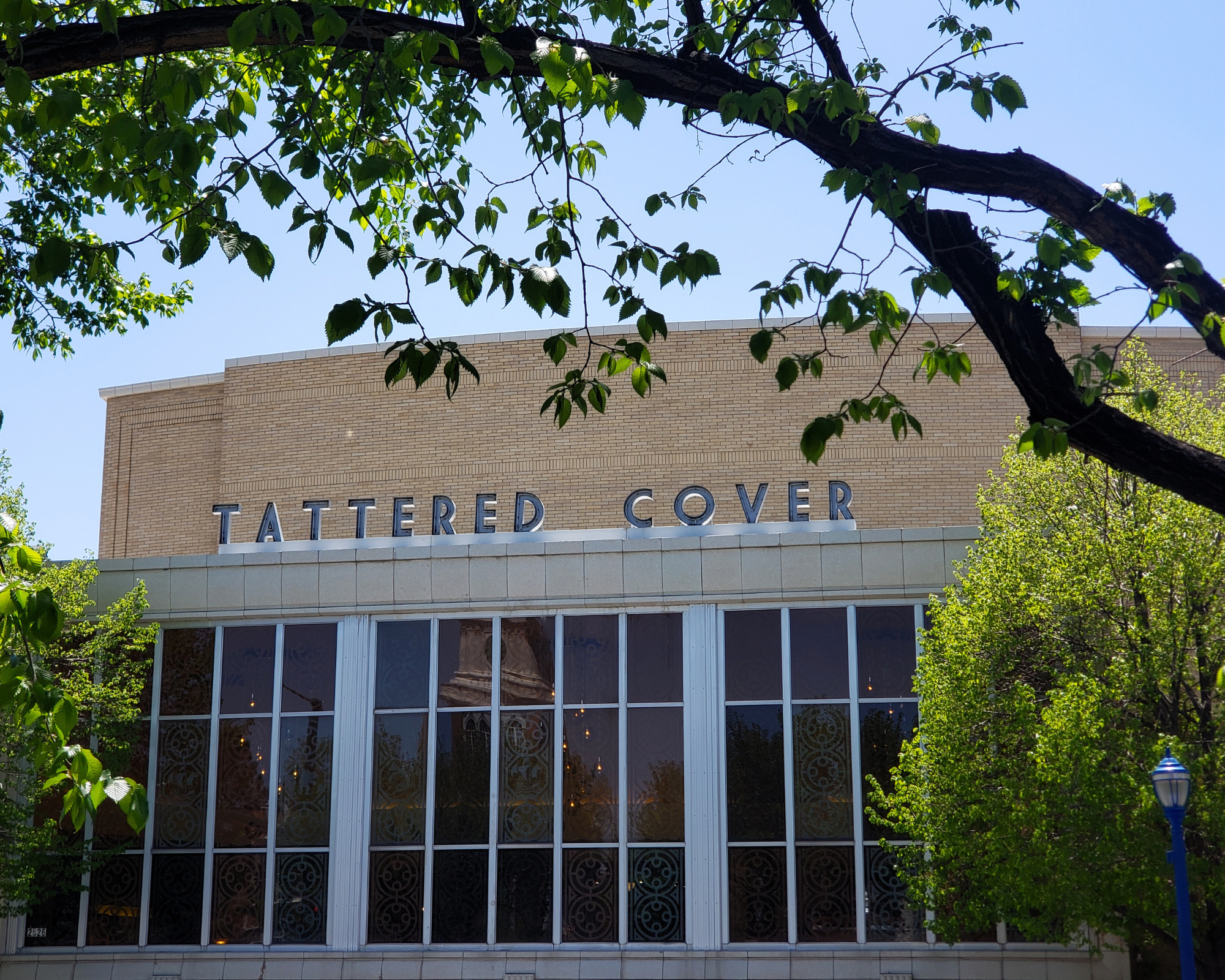
2526 E Colfax Avenue Denver, CO

7301 S Santa Fe Drive Littleton, CO

2501 Dallas St. Suite 144 Aurora, CO
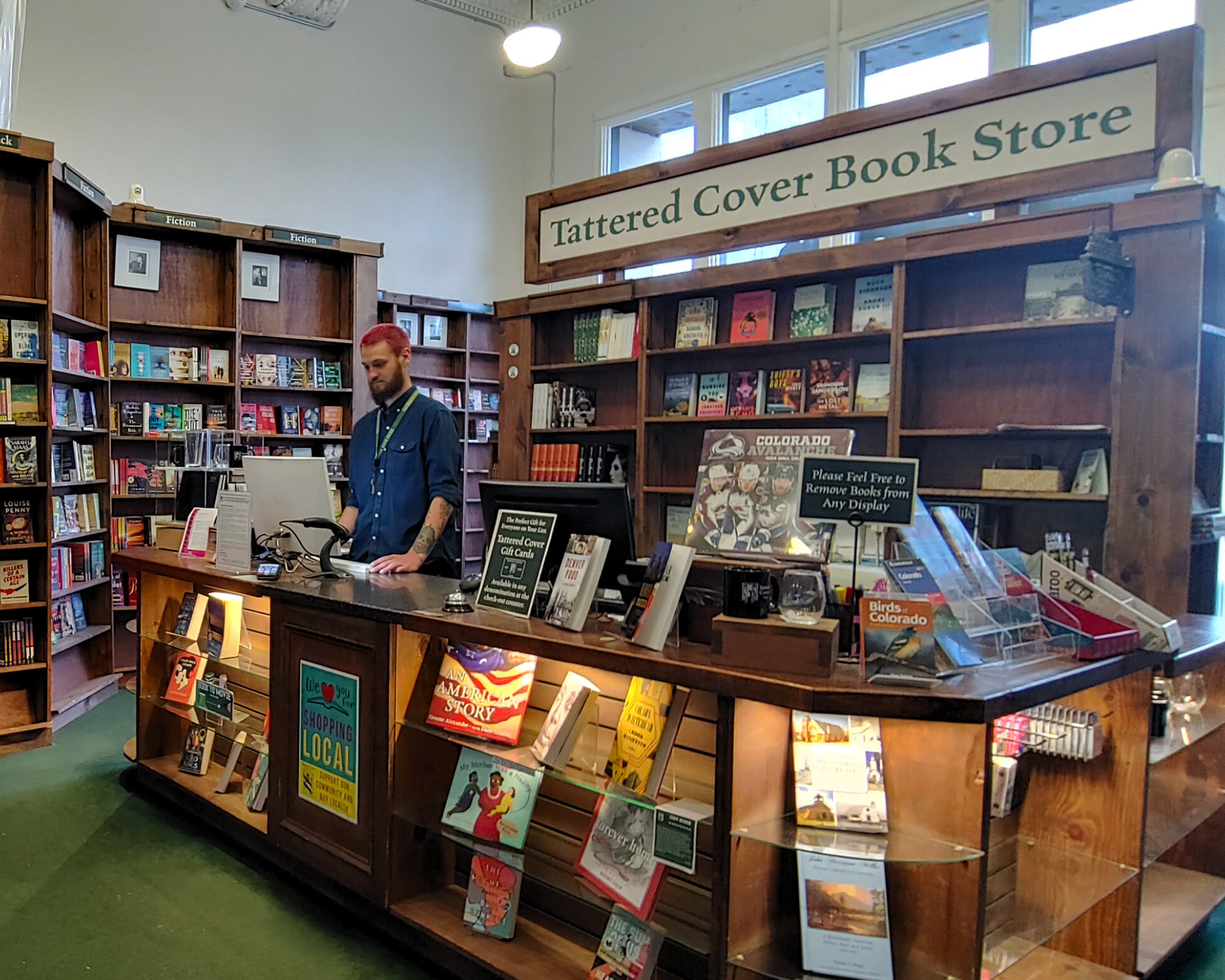
1701 Wynkoop Street Denver, CO