
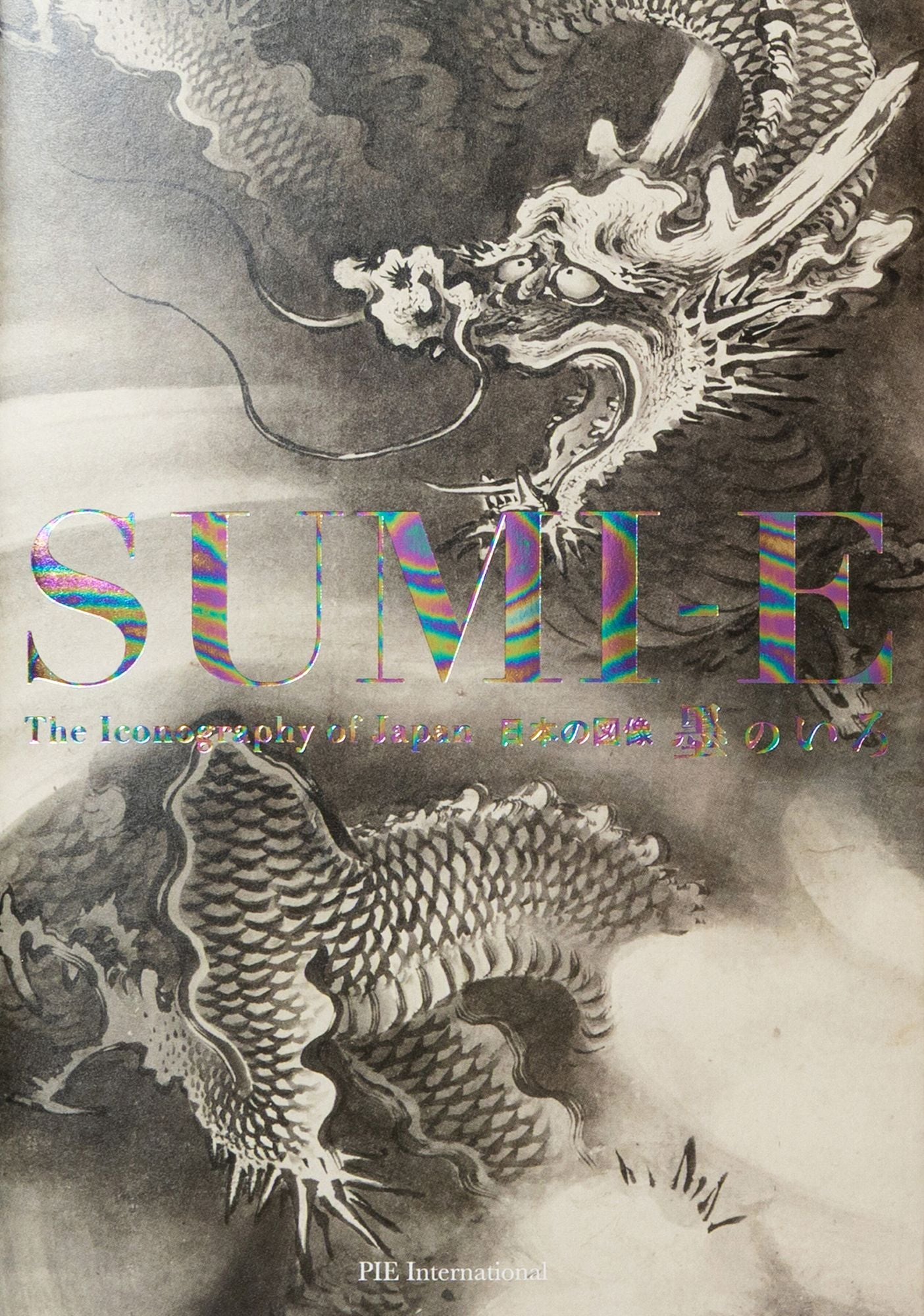
Sumi-e: The Iconography of Japan
Thank You For Your Reservation
You will receive an email once your order is confirmed. Items will be held for 7 days before being returned to inventory.
Sumi-e: The Iconography of Japan
Other Format
Prices may vary by store.
Select Store
Picking Up At:
Colfax Ave.
2526 E Colfax Avenue
303-322-7727
Store Hours:
Mon-Sat: 10-8
Colfax Ave.
2526 E Colfax Avenue,
Denver, CO 80206
303-322-7727
Store Hours:
- Mon-Sat: 10-8
- Sunday: 10-6
Aspen Grove
7301 South Santa Fe Drive,
Littleton, CO 80120
303-470-7050
Store Hours:
- Mon-Thu: 10-7
- Fri-Sat: 10-8
- Sunday: 11-6
Union Station
1701 Wynkoop Street in
Historic Lower Downtown Denver
303-535-9980
Store Hours:
- Every Day 8-8
Stanley Marketplace
2501 Dallas Street, Suite 144,
Aurora, CO 80010
212-697-3048
Store Hours:
- Every Day 10-7
After completing your reservation, you'll receive an email when your order is ready. Items will be held for 7 days before being returned to inventory. Payment will be due at pickup. By providing the information below you agree to Barnes & Noble's Privacy Policy which can be viewed here.
An error occurred while reserving your item. Please try again later.
Format: Other Format
Sumie ink painting is a uniquely Eastern form of painting that originated and developed in China in the 9th century. This book introduces the history of sumie painting over a period of approximately 500 years, beginning with the Kamakura and Nambokucho periods when the form was first being adopted in Japan , and then the Muromachi period when Sesshū and Shūbun were active, and finally the Momoyama and Edo periods when Japanese influences led to the creation of unique works.
This book introduces five centuries of ink wash painting through these works, exploring the distinctive qualities of Japanese ink wash painting and considering the role it has played in the history of art in Japan and its significance in the history of Japanese culture.
―From the Introduction
【Featured Sumie Artist/Keyword List】
Sesshū Tōyō / Sesson Shūkei / Hasegawa Tōhaku / Kaihō Yūshō / Kanō Motonobu / Kanō Eitoku / Unkoku Tōgan / Hon’ami Kōetsu / Miyamoto Musashi / Kanō Sansetsu / Kanō Tanʼyū / Kusumi Morikage / Tawaraya Sōtatsu / Ogata Kōrin / Hakuin Ekaku / Sengai Gibon / Fūgai Ekun / Ōtsue / Soga Shōhaku / Itō Jakuchū / Maruyama Ōkyo / Ike no Taiga / Yosa Buson / Katsu Jagyoku / Gessen / Uragami Gyokudō / Mori Sosen / Mori Tetsuzan / Goshun (Matsumura Gekkei) / Nagasawa Rosetsu / Sakai Hōitsu / Tani Bunchō / Tanomura Chikuden / Yamoto Baiitsu / Sugai Baikan / Watanabe Kazan / Kawanabe Kyōsai / Tomioka Tessai / Yokoyama Taikan
Colums
- Water and Ink: Infinite Gradations
- The Zen Kōan and the World of Zen Painting
- Ink Wash Paintings by a Warrior
- Ink Wash Paintings by Zen Priests
- Soga Shōhaku’s Ink Wash Paintings
- Ink Wash Painting Techniques
Choose options
New Releases











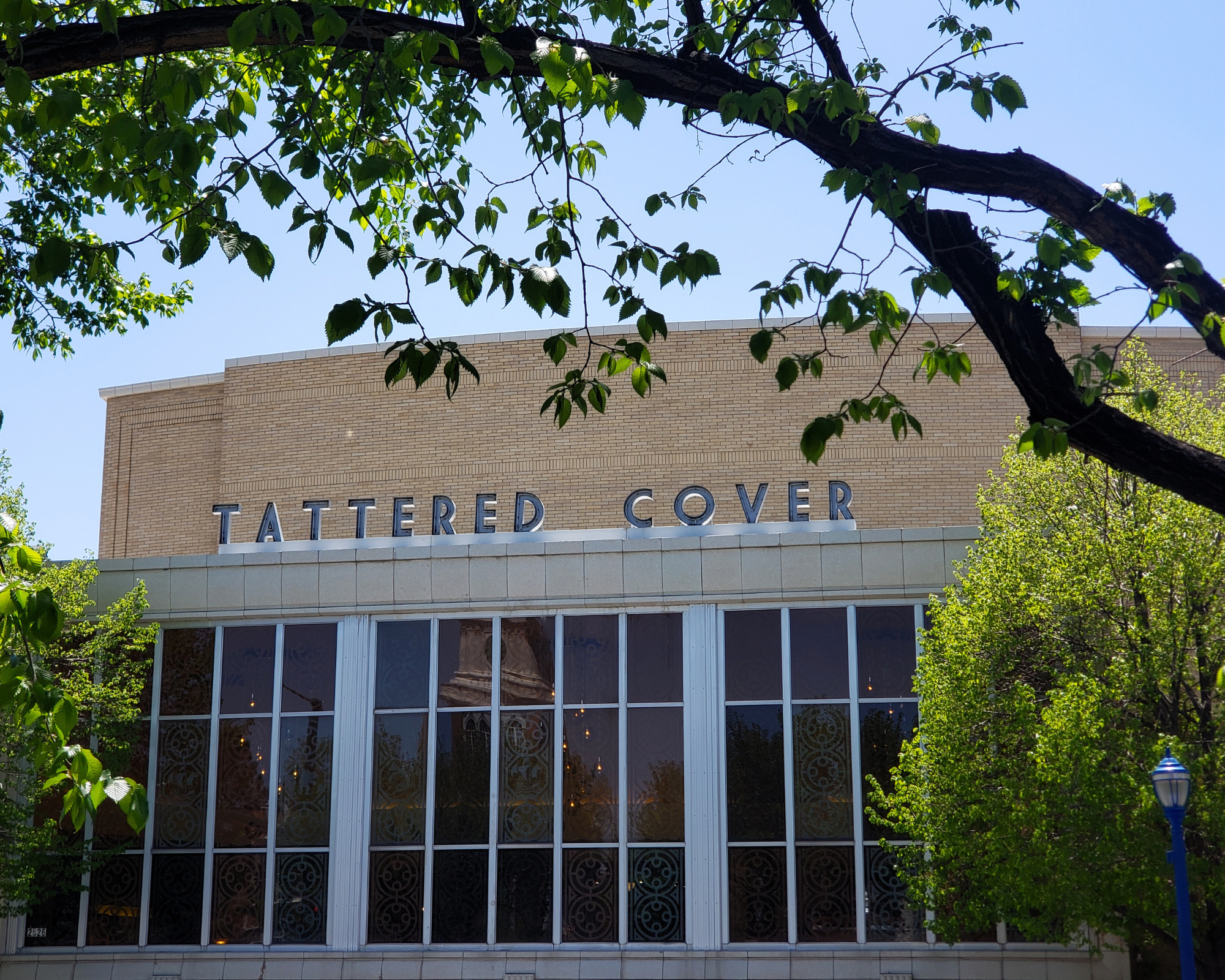
2526 E Colfax Avenue Denver, CO
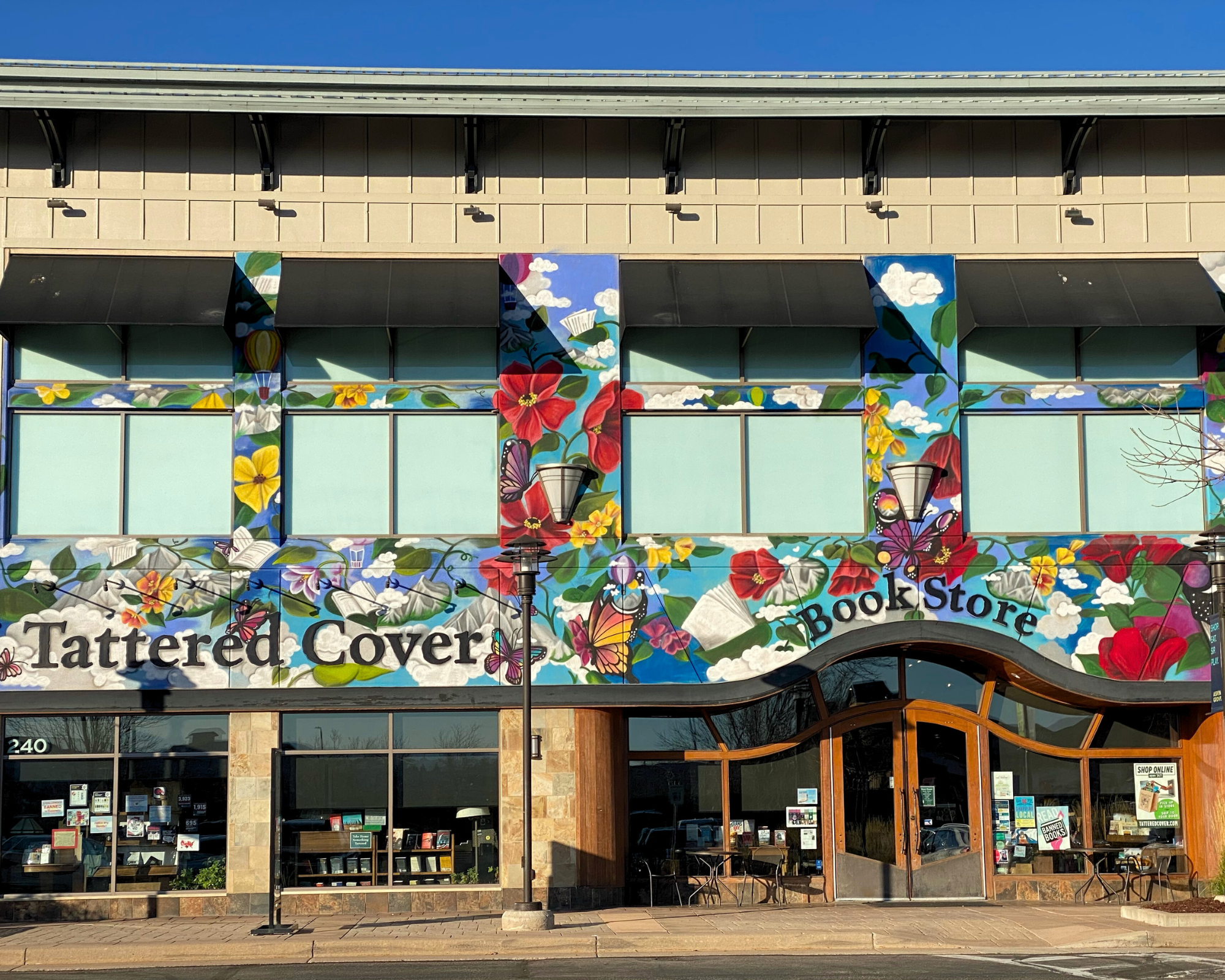
7301 S Santa Fe Drive Littleton, CO
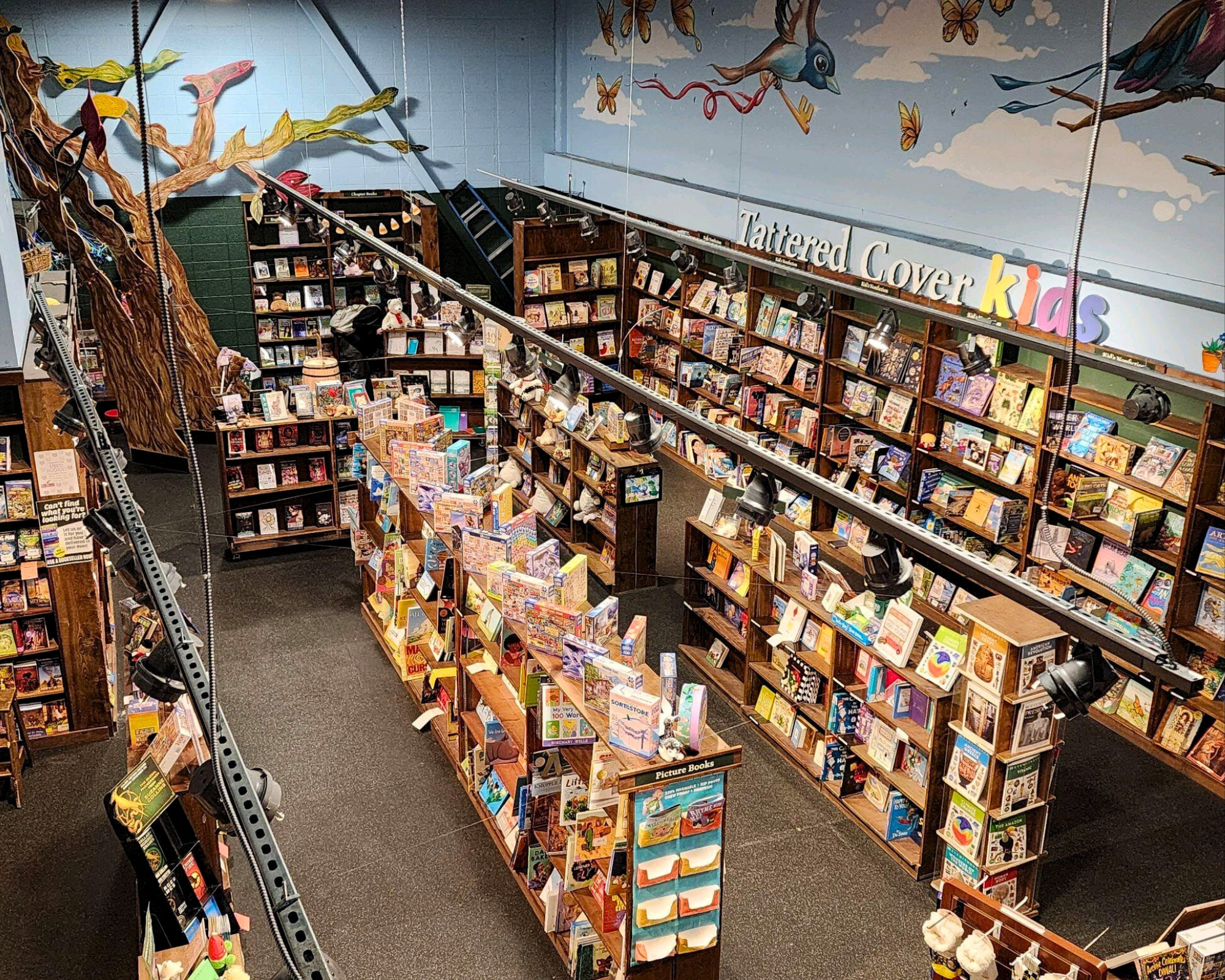
2501 Dallas St. Suite 144 Aurora, CO
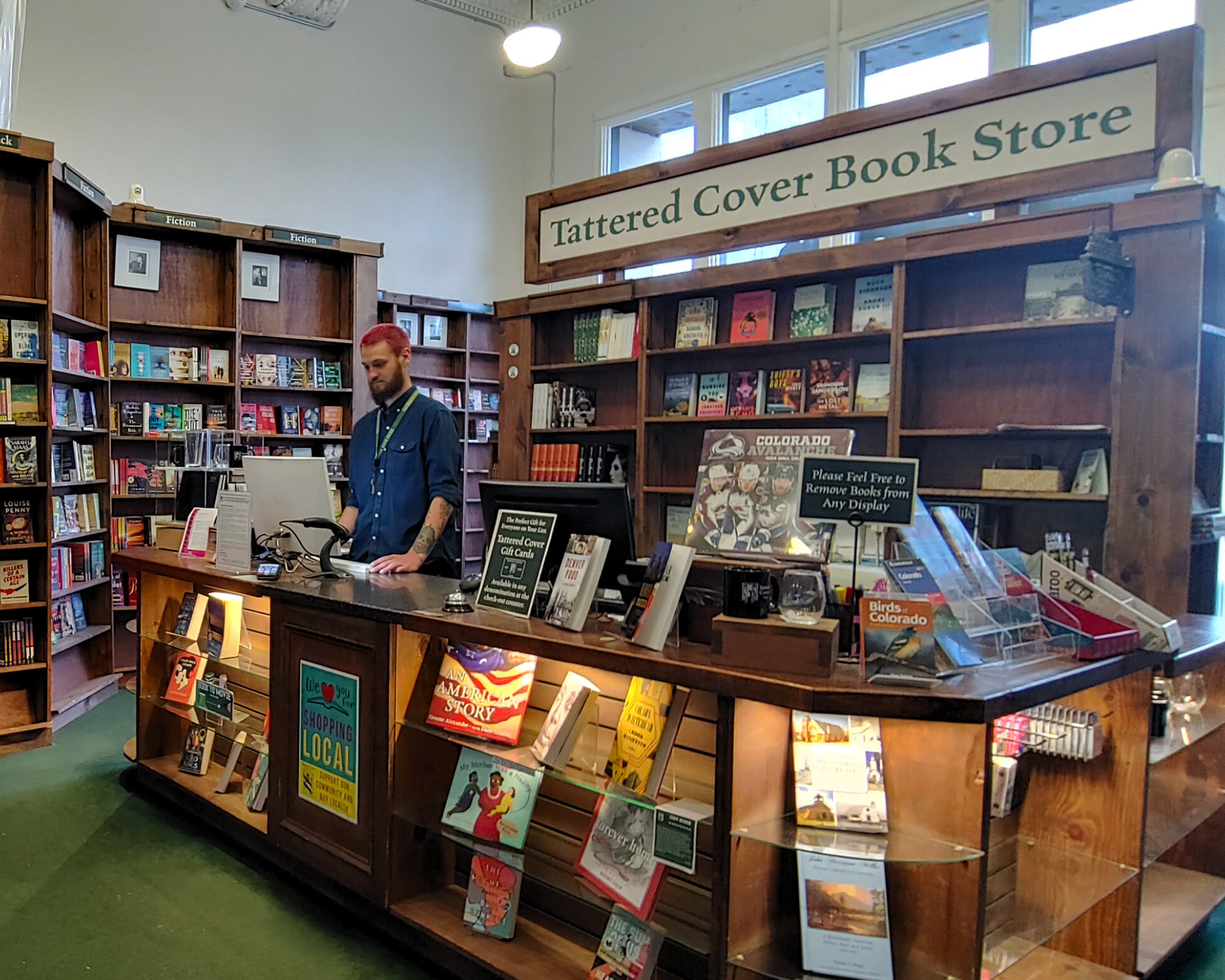
1701 Wynkoop Street Denver, CO