

Birth of the Byzantine Army 476-641 CE Volume 1: Still Late Roman?
Thank You For Your Reservation
You will receive an email once your order is confirmed. Items will be held for 7 days before being returned to inventory.
Birth of the Byzantine Army 476-641 CE Volume 1: Still Late Roman?
Paperback
Prices may vary by store.
Select Store
Picking Up At:
Colfax Ave.
2526 E Colfax Avenue
303-322-7727
Store Hours:
Mon-Sat: 10-8
Colfax Ave.
2526 E Colfax Avenue,
Denver, CO 80206
303-322-7727
Store Hours:
- Mon-Sat: 10-8
- Sunday: 10-6
Aspen Grove
7301 South Santa Fe Drive,
Littleton, CO 80120
303-470-7050
Store Hours:
- Mon-Thu: 10-7
- Fri-Sat: 10-8
- Sunday: 11-6
Union Station
1701 Wynkoop Street in
Historic Lower Downtown Denver
303-535-9980
Store Hours:
- Every Day 8-8
Stanley Marketplace
2501 Dallas Street, Suite 144,
Aurora, CO 80010
212-697-3048
Store Hours:
- Every Day 10-7
After completing your reservation, you'll receive an email when your order is ready. Items will be held for 7 days before being returned to inventory. Payment will be due at pickup. By providing the information below you agree to Barnes & Noble's Privacy Policy which can be viewed here.
An error occurred while reserving your item. Please try again later.
Format: Paperback
Over these 165 years, the Romano-Byzantine army inevitably evolved. In addition to traditional adversaries such as the Persians and steppe nomads, it confronted fresh challenges: campaigns in North Africa and wars against the Vandals and Ostrogoths. Once those territories were conquered, the army was forced to defend them against the Moors in Africa and the Lombards in Italy. Along the Danube frontier, it also faced the Slavs and Avars, whose siege warfare threatened Byzantium itself. These pressures demanded new organization and tactics. Should we still call it a Late Roman army—or was it already a new, distinctly Byzantine one? That is the central question.
Choose options
New Releases











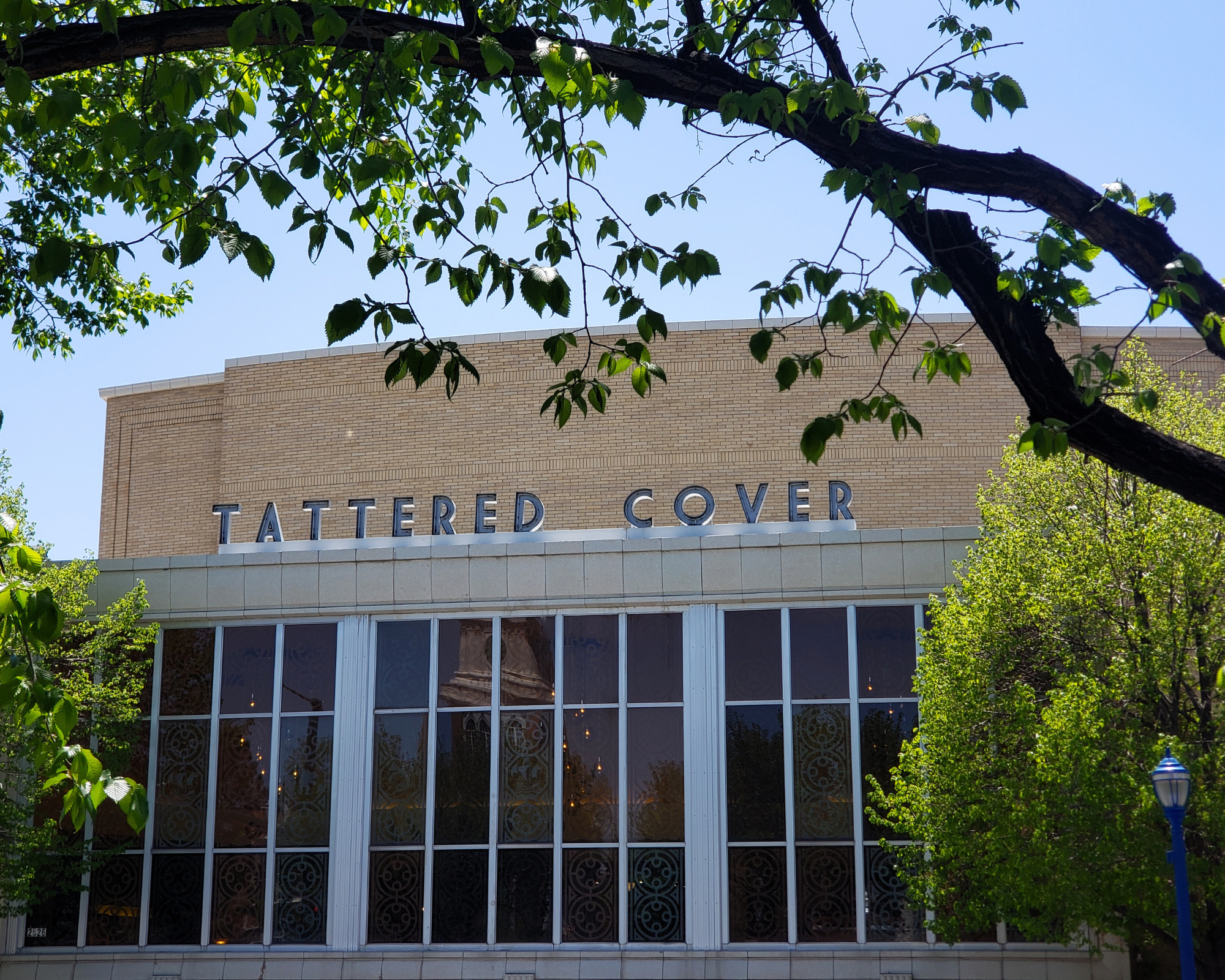
2526 E Colfax Avenue Denver, CO
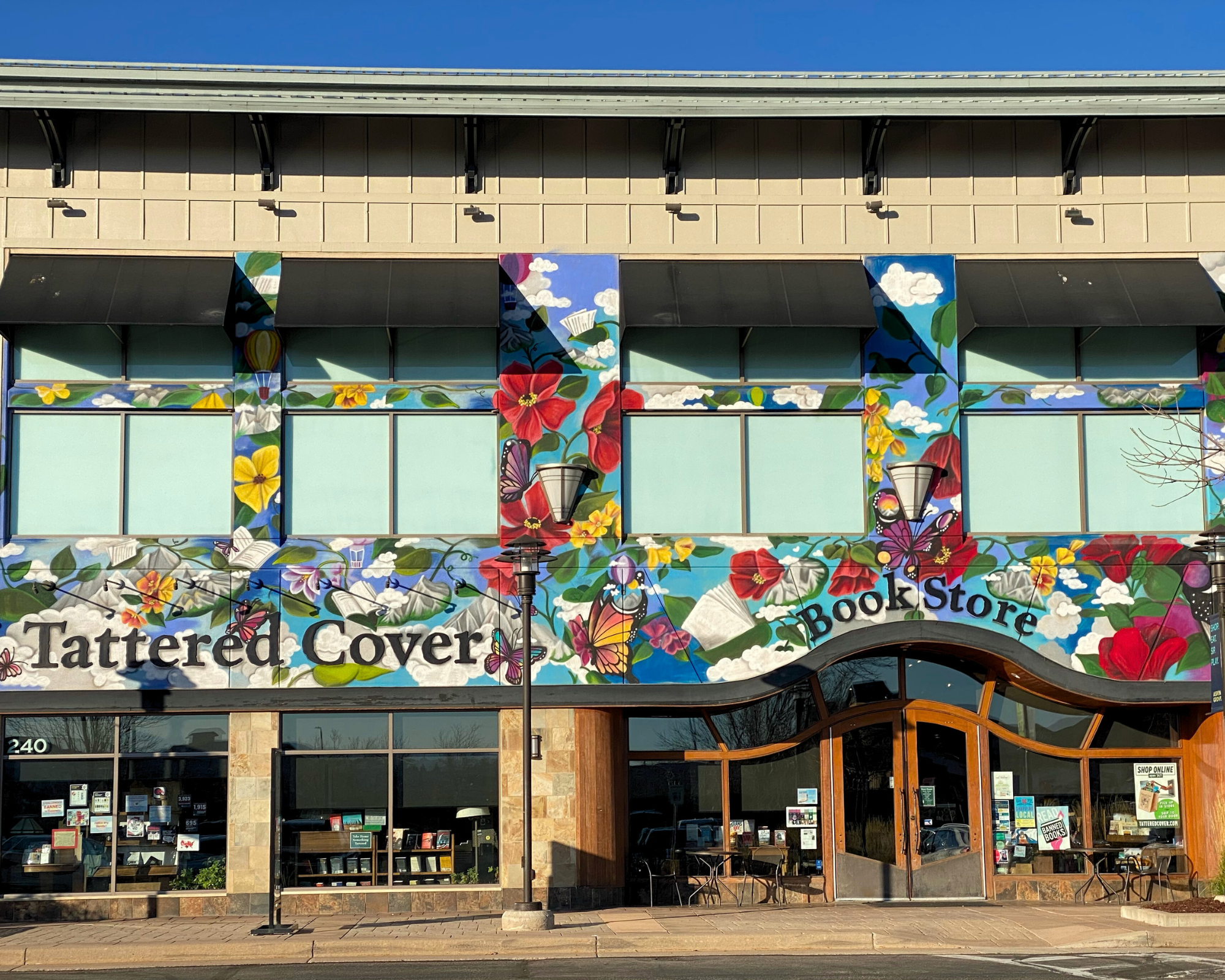
7301 S Santa Fe Drive Littleton, CO
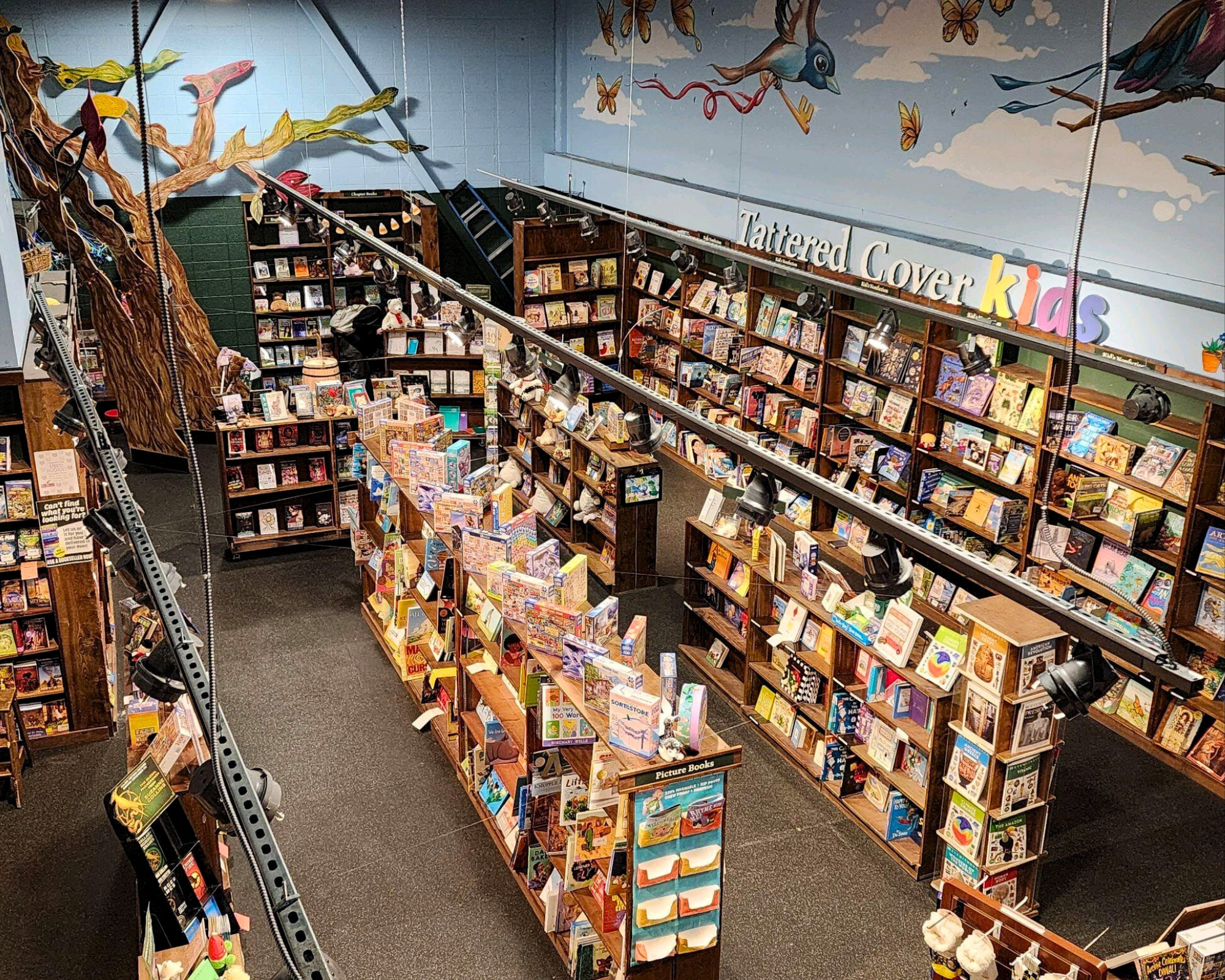
2501 Dallas St. Suite 144 Aurora, CO
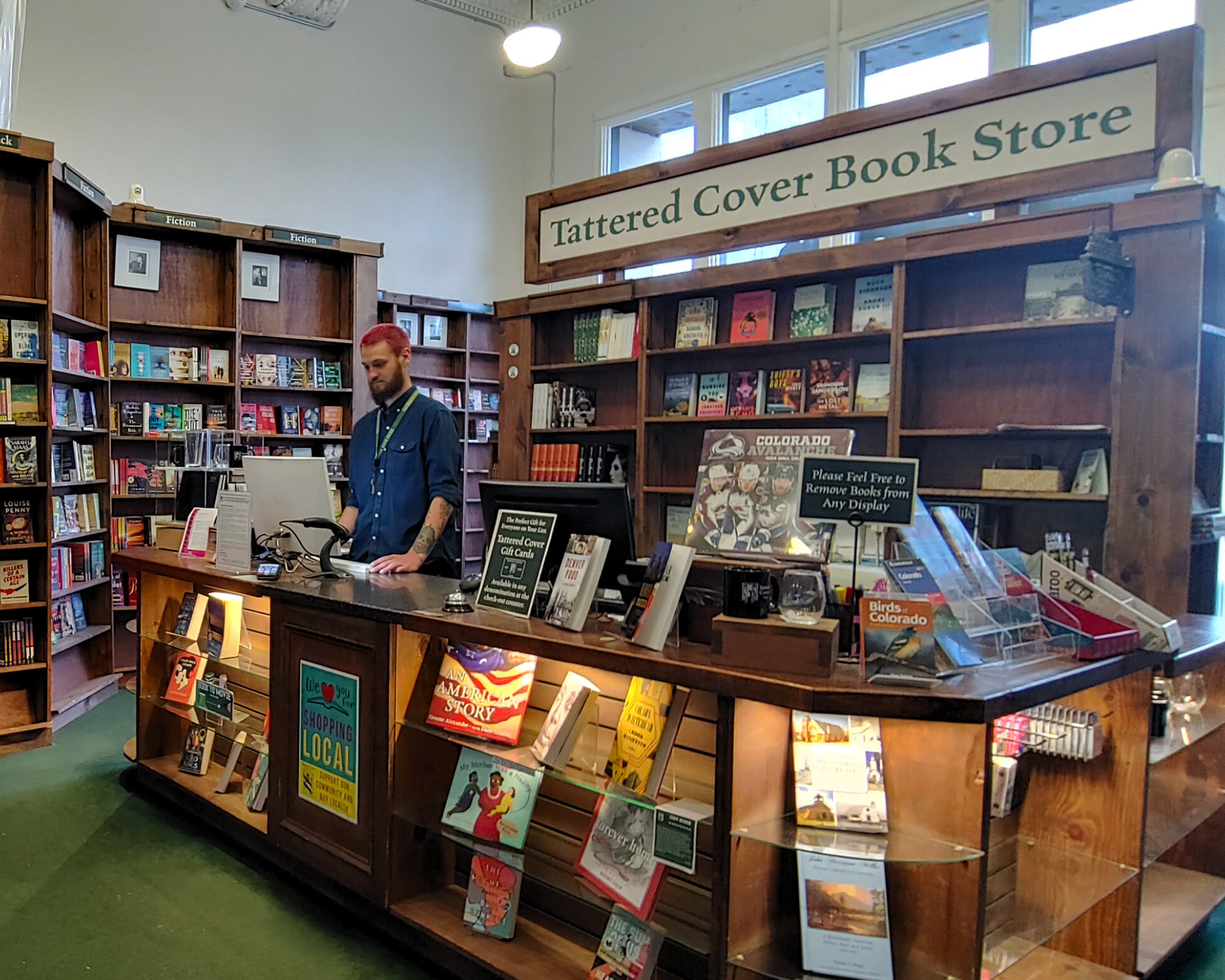
1701 Wynkoop Street Denver, CO