
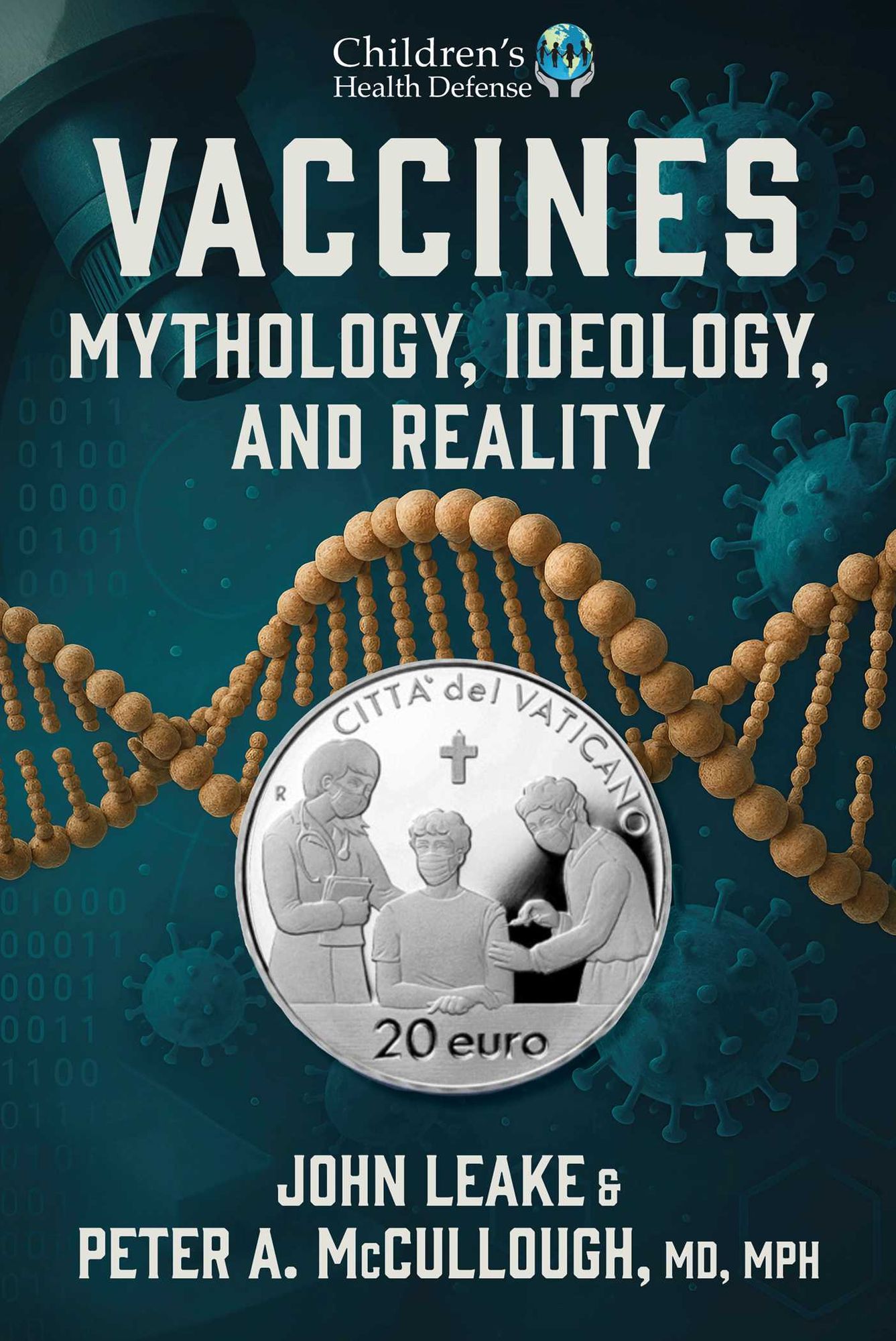


Vaccines: Mythology, Ideology, and Reality
Thank You For Your Reservation
You will receive an email once your order is confirmed. Items will be held for 7 days before being returned to inventory.
Vaccines: Mythology, Ideology, and Reality
Hardcover
Prices may vary by store.
Select Store
Picking Up At:
Colfax Ave.
2526 E Colfax Avenue
303-322-7727
Store Hours:
Mon-Sat: 10-8
Colfax Ave.
2526 E Colfax Avenue,
Denver, CO 80206
303-322-7727
Store Hours:
- Mon-Sat: 10-8
- Sunday: 10-6
Aspen Grove
7301 South Santa Fe Drive,
Littleton, CO 80120
303-470-7050
Store Hours:
- Mon-Thu: 10-7
- Fri-Sat: 10-8
- Sunday: 11-6
Union Station
1701 Wynkoop Street in
Historic Lower Downtown Denver
303-535-9980
Store Hours:
- Every Day 8-8
Stanley Marketplace
2501 Dallas Street, Suite 144,
Aurora, CO 80010
212-697-3048
Store Hours:
- Every Day 10-7
After completing your reservation, you'll receive an email when your order is ready. Items will be held for 7 days before being returned to inventory. Payment will be due at pickup. By providing the information below you agree to Barnes & Noble's Privacy Policy which can be viewed here.
An error occurred while reserving your item. Please try again later.
Format: Hardcover
Vaccines: Mythology, Ideology, and Reality tells the story of this technology and the celebrated men who developed it with some success, but also with failures that are never mentioned in the celebratory literature on vaccines. Vaccine advocates often proclaim that they "follow the science," but most vaccine development has been a matter of guesses, gambles, and wild experimentation. Its key figures have been biased by religious faith, wishful thinking, ideology, and a desire for recognition and money.
Though credit is due to some vaccines for reducing infectious disease morbidity and mortality, their contribution to public health in developed nations has been grossly exaggerated by propagandists. Dramatic improvements in nutrition and sanitation were the primary drivers of this trend. The authors do not dismiss the concept of vaccination but seek to promote a more informed and less dogmatic discussion about its risks and benefits. Critical evaluation can only make the technology safer and more effective.
Choose options
New Releases












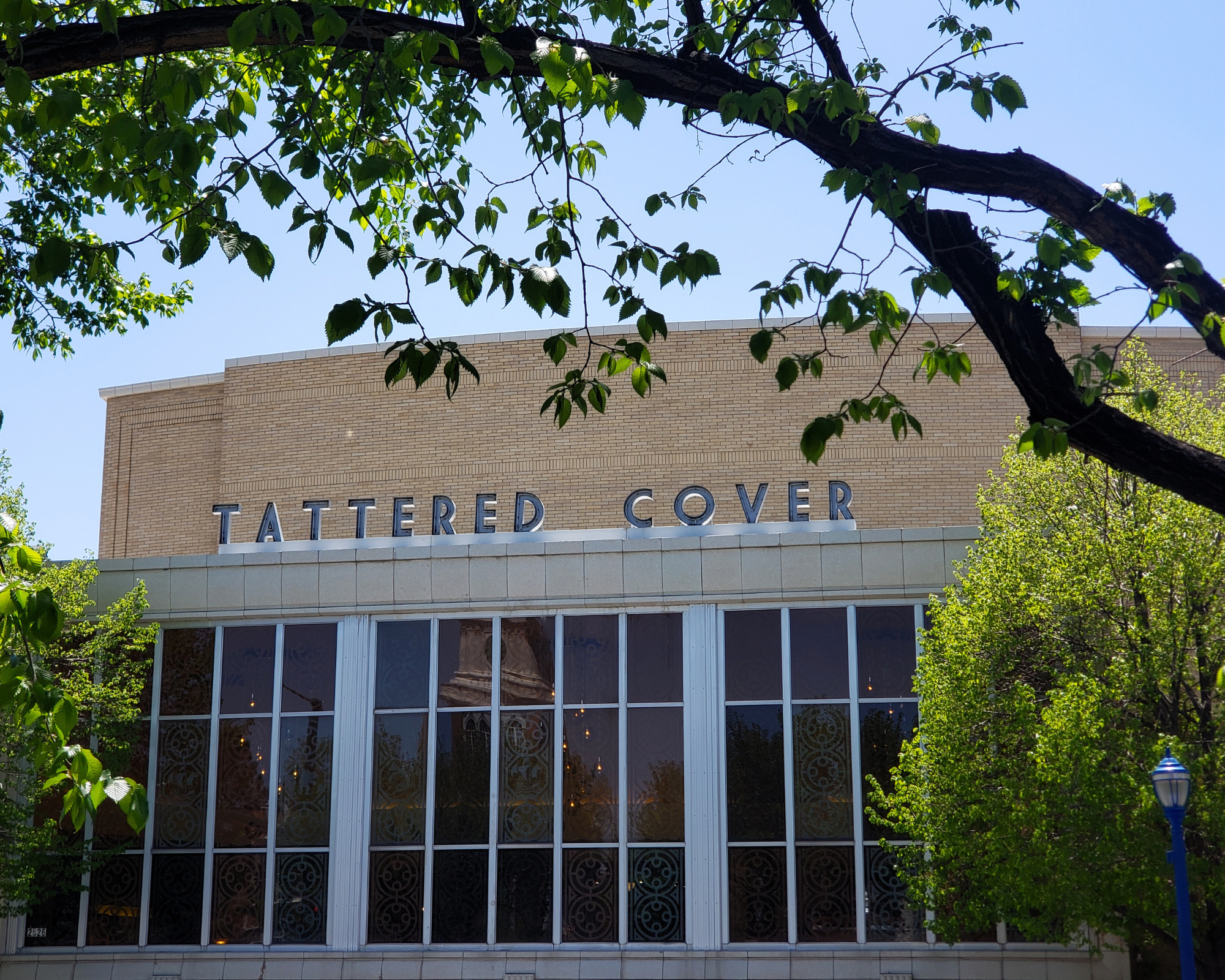
2526 E Colfax Avenue Denver, CO

7301 S Santa Fe Drive Littleton, CO

2501 Dallas St. Suite 144 Aurora, CO

1701 Wynkoop Street Denver, CO