

Germantown: A Military History of the Battle for Philadelphia, October 4, 1777
Thank You For Your Reservation
You will receive an email once your order is confirmed. Items will be held for 7 days before being returned to inventory.
Germantown: A Military History of the Battle for Philadelphia, October 4, 1777
Paperback
Prices may vary by store.
Select Store
Picking Up At:
Colfax Ave.
2526 E Colfax Avenue
303-322-7727
Store Hours:
Mon-Sat: 10-8
Colfax Ave.
2526 E Colfax Avenue,
Denver, CO 80206
303-322-7727
Store Hours:
- Mon-Sat: 10-8
- Sunday: 10-6
Aspen Grove
7301 South Santa Fe Drive,
Littleton, CO 80120
303-470-7050
Store Hours:
- Mon-Thu: 10-7
- Fri-Sat: 10-8
- Sunday: 11-6
Union Station
1701 Wynkoop Street in
Historic Lower Downtown Denver
303-535-9980
Store Hours:
- Every Day 8-8
Stanley Marketplace
2501 Dallas Street, Suite 144,
Aurora, CO 80010
212-697-3048
Store Hours:
- Every Day 10-7
After completing your reservation, you'll receive an email when your order is ready. Items will be held for 7 days before being returned to inventory. Payment will be due at pickup. By providing the information below you agree to Barnes & Noble's Privacy Policy which can be viewed here.
An error occurred while reserving your item. Please try again later.
Format: Paperback
Today, Germantown is a busy neighborhood in Philadelphia. On October 4, 1777, it was a small village on the outskirts of the colonial capital that hosted one of the largest battles of the American Revolution. George Washington’s attempt to recapture Philadelphia has been misunderstood and long overshadowed by the battles of Brandywine, Saratoga, and the difficult winter that followed at Valley Forge. Michael C. Harris, the award-winning author of Brandywine: A Military History of the Battle that Lost Philadelphia but Saved America, September 11, 1777 (2014), has produced the first full-length book on the Battle of Germantown, lifting the pivotal engagement out of its undeserved obscurity.
General Sir William Howe launched his campaign to capture Philadelphia in late July 1777. His army sailed aboard a 265-ship armada from New York and six difficult weeks later landed near Elkton, Maryland, moved north into Pennsylvania, and defeated Washington’s American army at Brandywine on September 11. Philadelphia fell soon thereafter.
When he spotted an opportunity to defeat part of Howe’s army, Washington devised and launched a complex four-column attack, marching his men most of the night to strike the British early on the morning of October 4. Obscured by ground fog, the attack caught the British garrison at Germantown by surprise. With the enemy collapsing and his reserves yet to fire a shot, Philadelphia seemed within Washington’s grasp—until a series of poor decisions by the American high command around the Chew House brought about a stunning reversal of fortune that swept the Americans from the field. Although a tactical defeat, Germantown proved Continental soldiers could stand toe-to-toe with British and Hessian Regulars.
Germantown is the first complete study to merge the strategic, tactical, political, and naval history of this complex regional operation and set-piece battle into a single compelling account. Harris’s sweeping prose, which begins where his award-winning Brandywine left off, relies extensively on original archival research and (to the extent possible today) personal knowledge of the terrain. Germantown is no mere retelling, but a major reinterpretation of the battle, troop movements, and decision-making (including the fascinating chess match for control of the forts along the Schuylkill River) that nearly drove the British out of Philadelphia. Twenty-seven original maps, together with illustrations and modern photos, extensive explanatory footnotes, appendices, and an order of battle support the text and provide contextual understanding of the movement of the armies and the strategic and tactical implications of this grand matching of wills.
Michael Harris’s Germantown, now in paperback, sets the standard for Revolutionary War battle studies and will please the most discriminating reader.
Choose options
New Releases










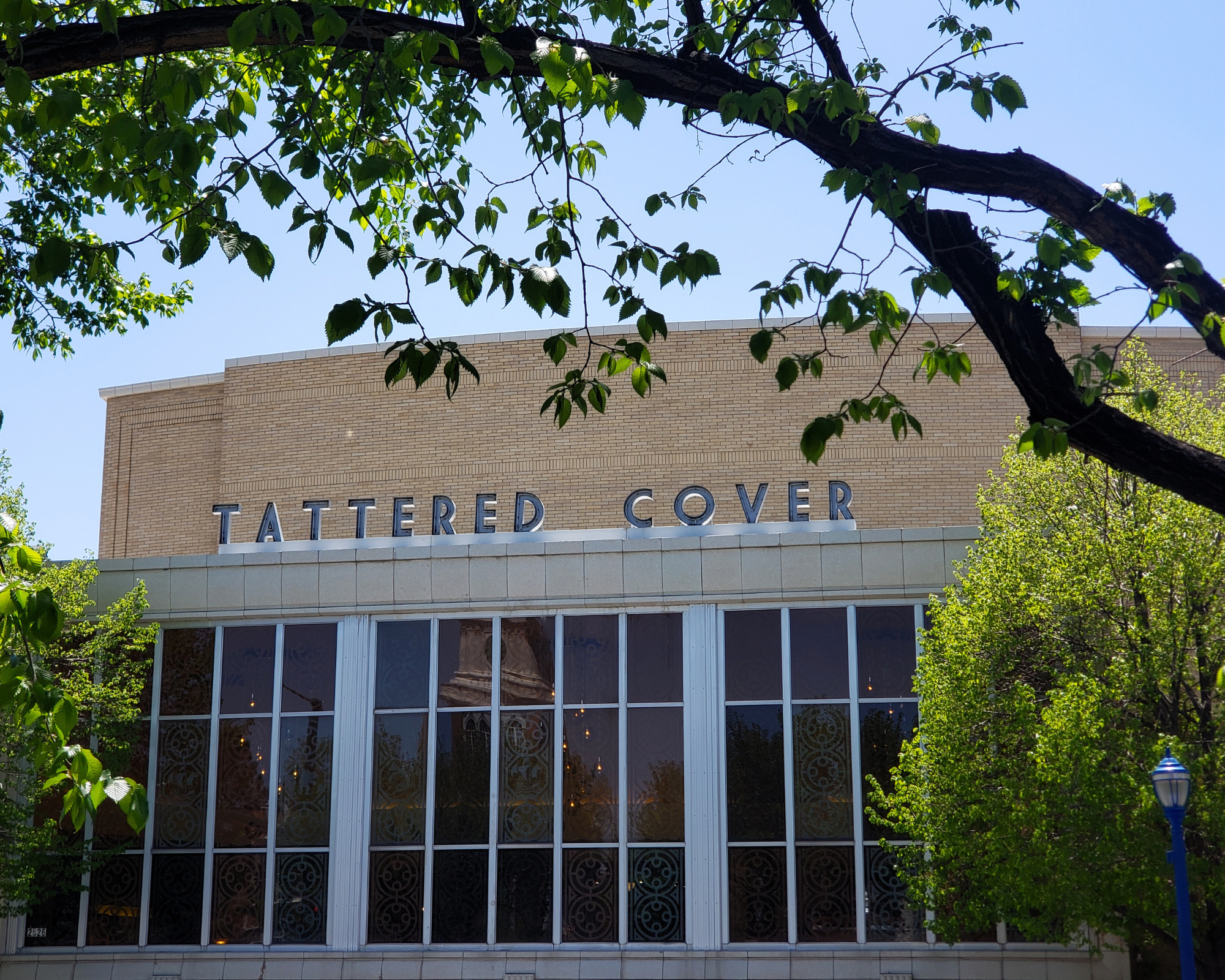
2526 E Colfax Avenue Denver, CO
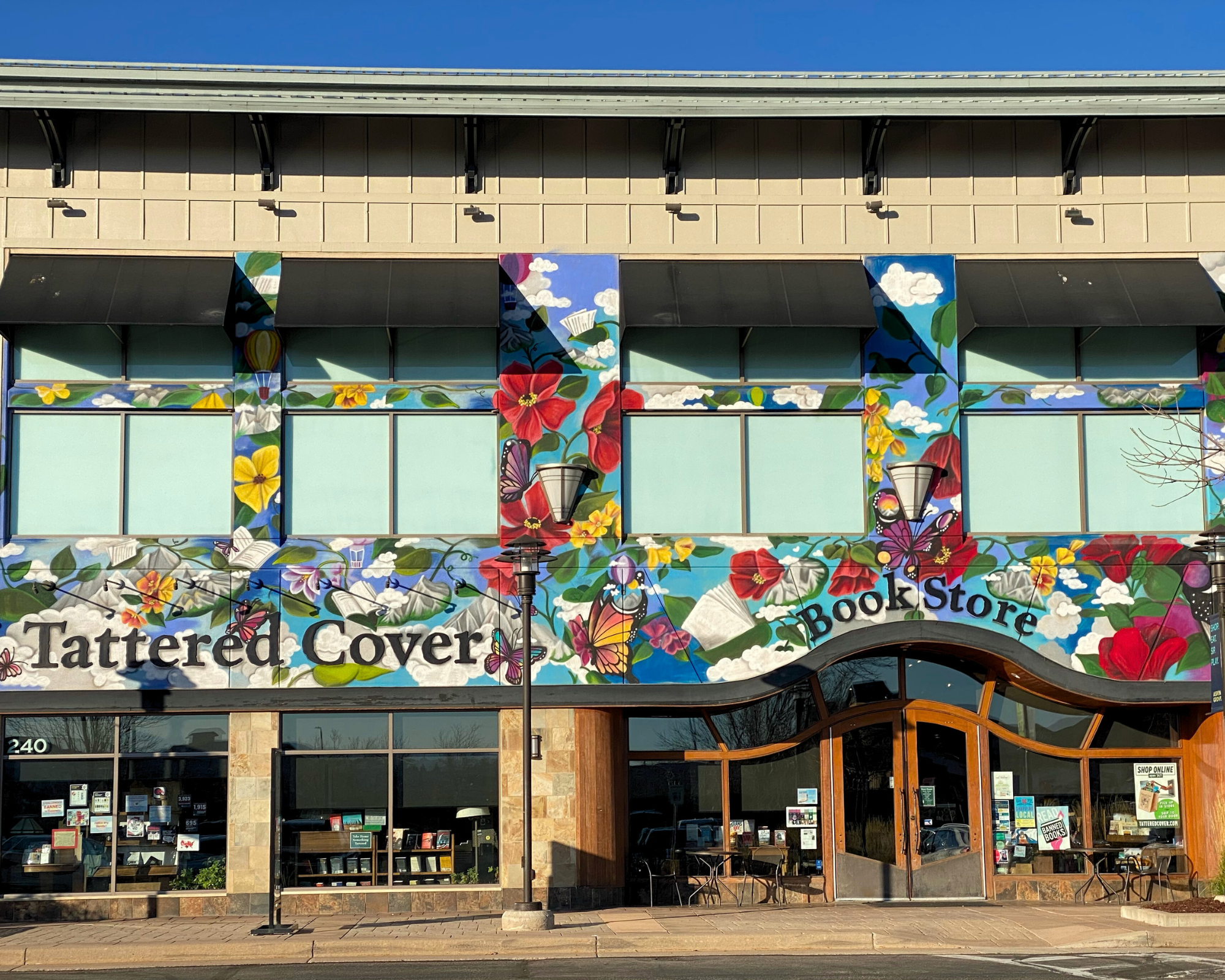
7301 S Santa Fe Drive Littleton, CO
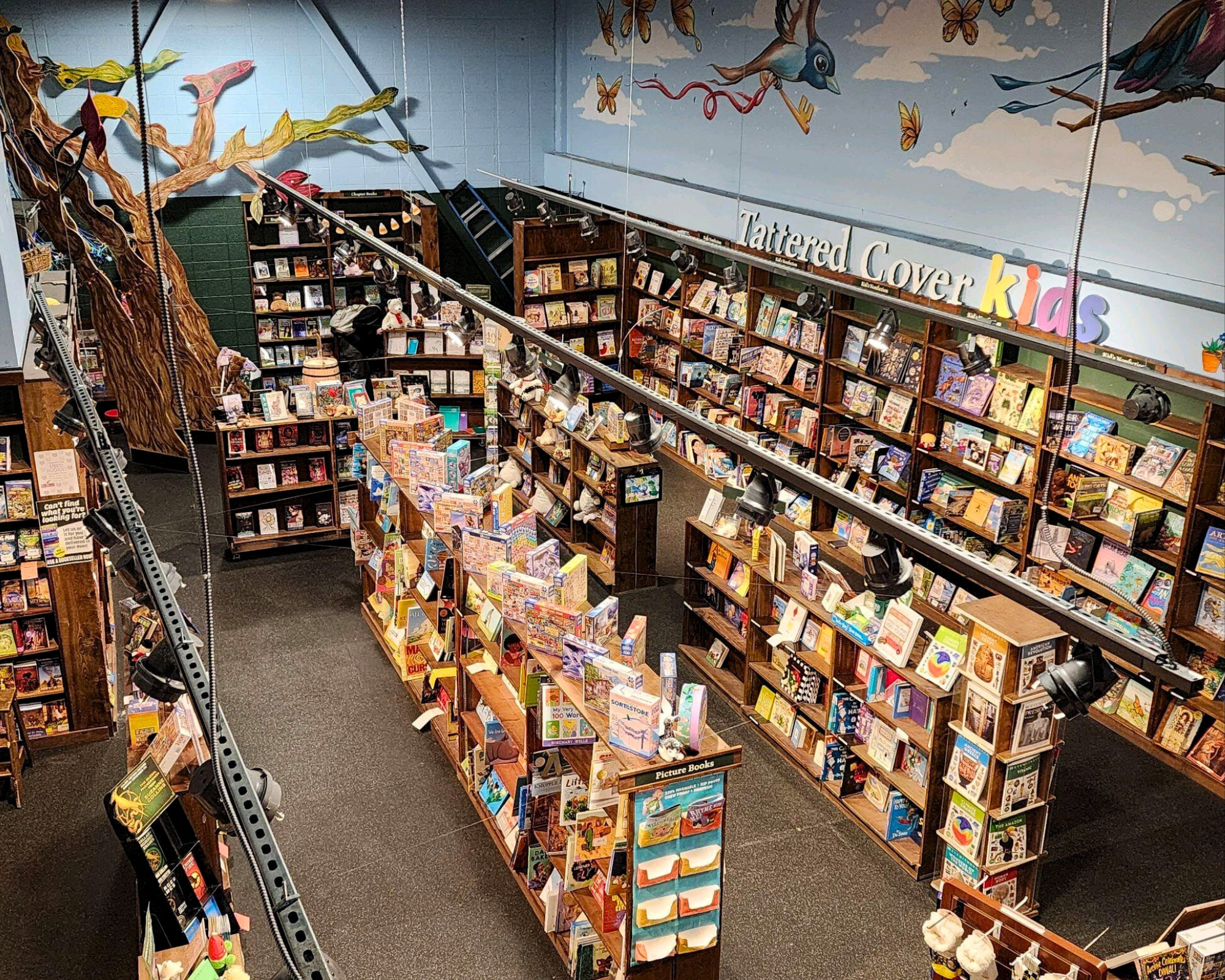
2501 Dallas St. Suite 144 Aurora, CO
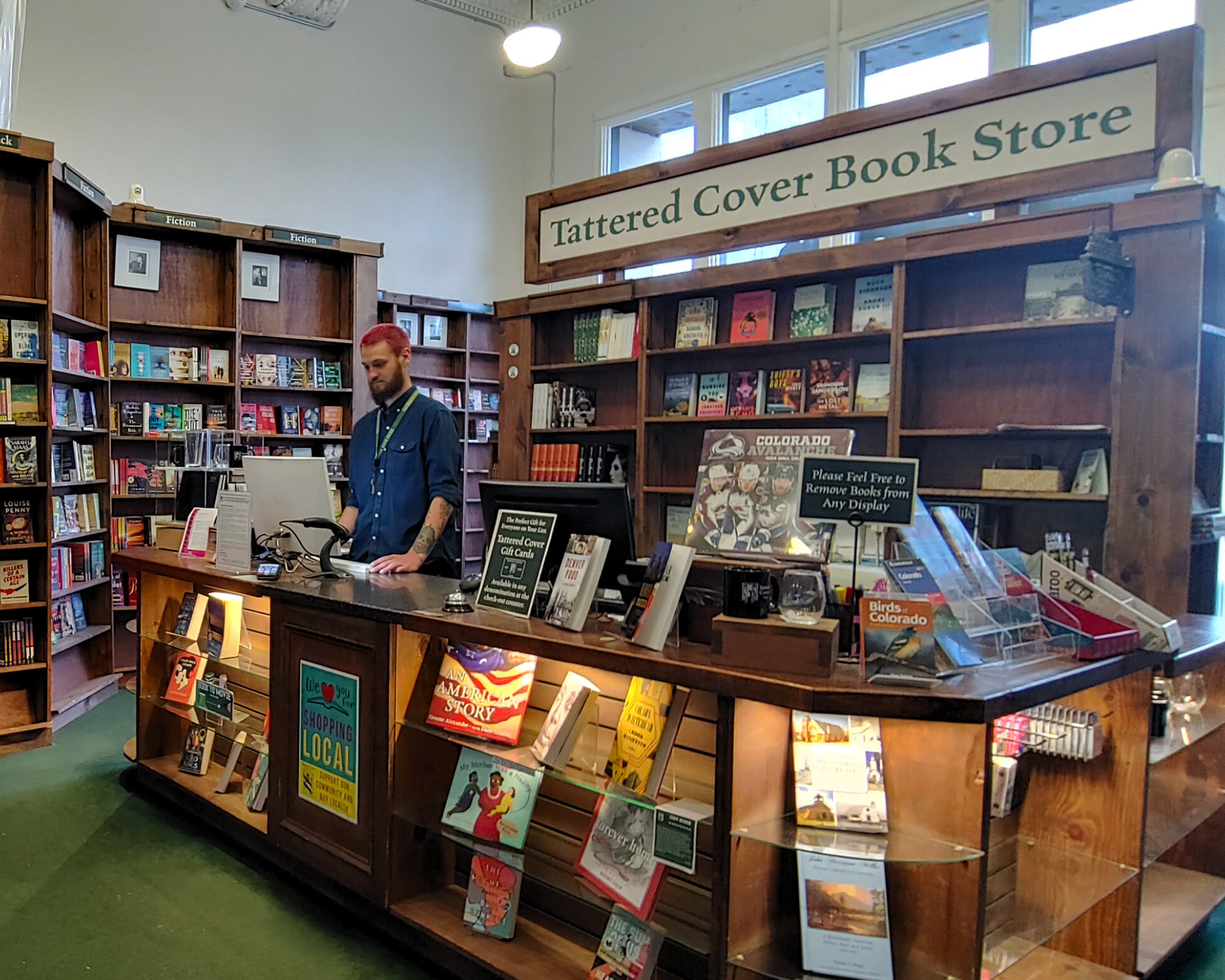
1701 Wynkoop Street Denver, CO