
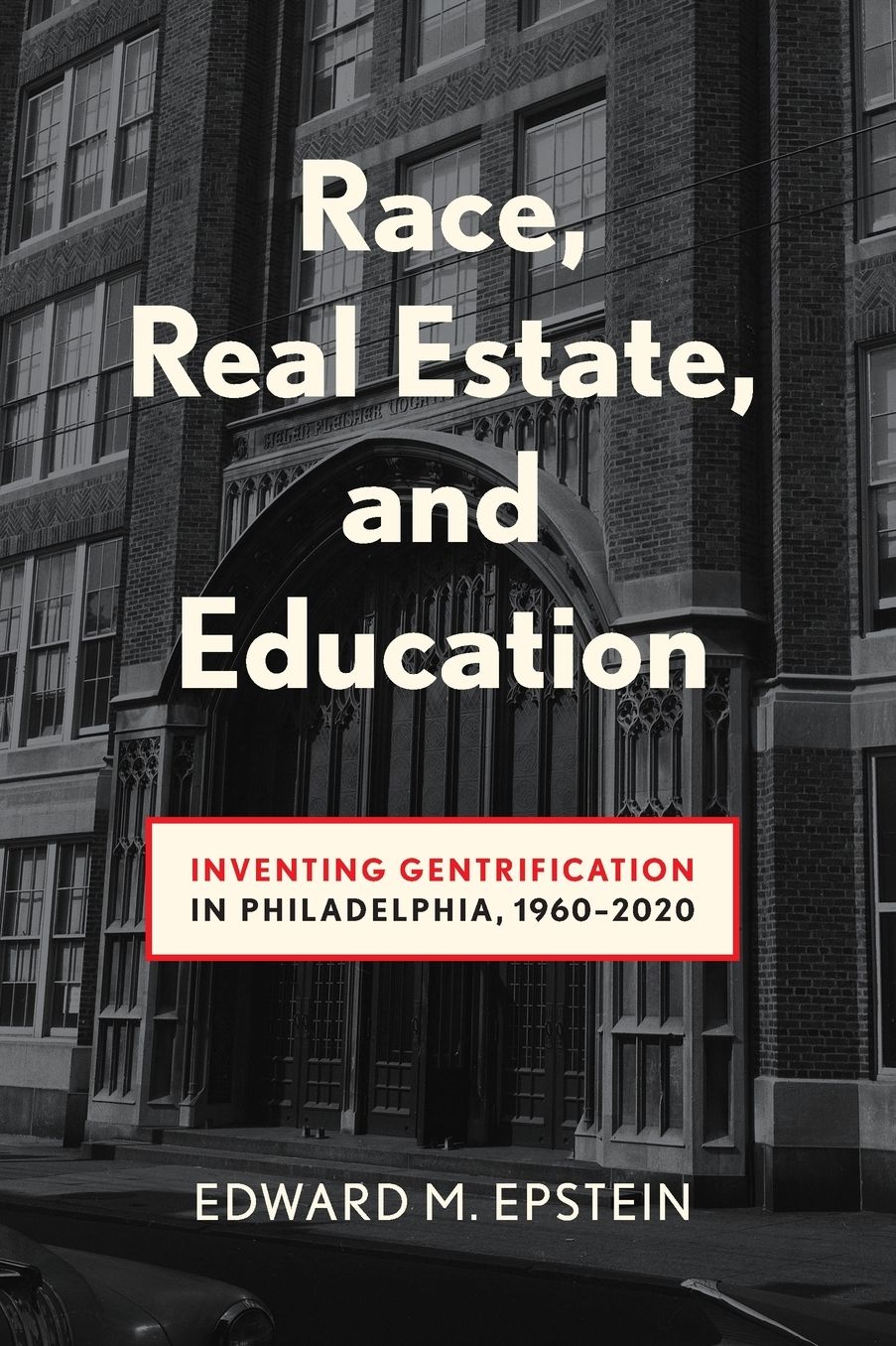
Race, Real Estate and Education: Inventing Gentrification in Philadelphia, 1960-2020
Thank You For Your Reservation
You will receive an email once your order is confirmed. Items will be held for 7 days before being returned to inventory.
Race, Real Estate and Education: Inventing Gentrification in Philadelphia, 1960-2020
Paperback
Prices may vary by store.
Select Store
Picking Up At:
Colfax Ave.
2526 E Colfax Avenue
303-322-7727
Store Hours:
Mon-Sat: 10-8
Colfax Ave.
2526 E Colfax Avenue,
Denver, CO 80206
303-322-7727
Store Hours:
- Mon-Sat: 10-8
- Sunday: 10-6
Aspen Grove
7301 South Santa Fe Drive,
Littleton, CO 80120
303-470-7050
Store Hours:
- Mon-Thu: 10-7
- Fri-Sat: 10-8
- Sunday: 11-6
Union Station
1701 Wynkoop Street in
Historic Lower Downtown Denver
303-535-9980
Store Hours:
- Every Day 8-8
Stanley Marketplace
2501 Dallas Street, Suite 144,
Aurora, CO 80010
212-697-3048
Store Hours:
- Every Day 10-7
After completing your reservation, you'll receive an email when your order is ready. Items will be held for 7 days before being returned to inventory. Payment will be due at pickup. By providing the information below you agree to Barnes & Noble's Privacy Policy which can be viewed here.
An error occurred while reserving your item. Please try again later.
Format: Paperback
Epstein outlines the citywide context for the plan to create “University City” in West Philadelphia. He recounts the attempts to correct the segregation, overcrowding, and authoritarian management that plagued Philadelphia’s public schools. As the West Philadelphia Corporation, the proxy for the universities and hospitals, initiated gentrification efforts, the local community resisted and protested, causing the project to fail. The effort was revived with spectacular success, however, with the launch of the well-funded Penn Alexander School in 2001.
Race, Real Estate, and Education shows how the pursuit of urbanist ideals sometimes deepens neighborhood injustice. Epstein’s exploration of whether Philadelphia’s overall approach was beneficial or misguided presents a cautionary tale.
In the series Urban Life, Landscape, and Policy
Choose options
New Releases








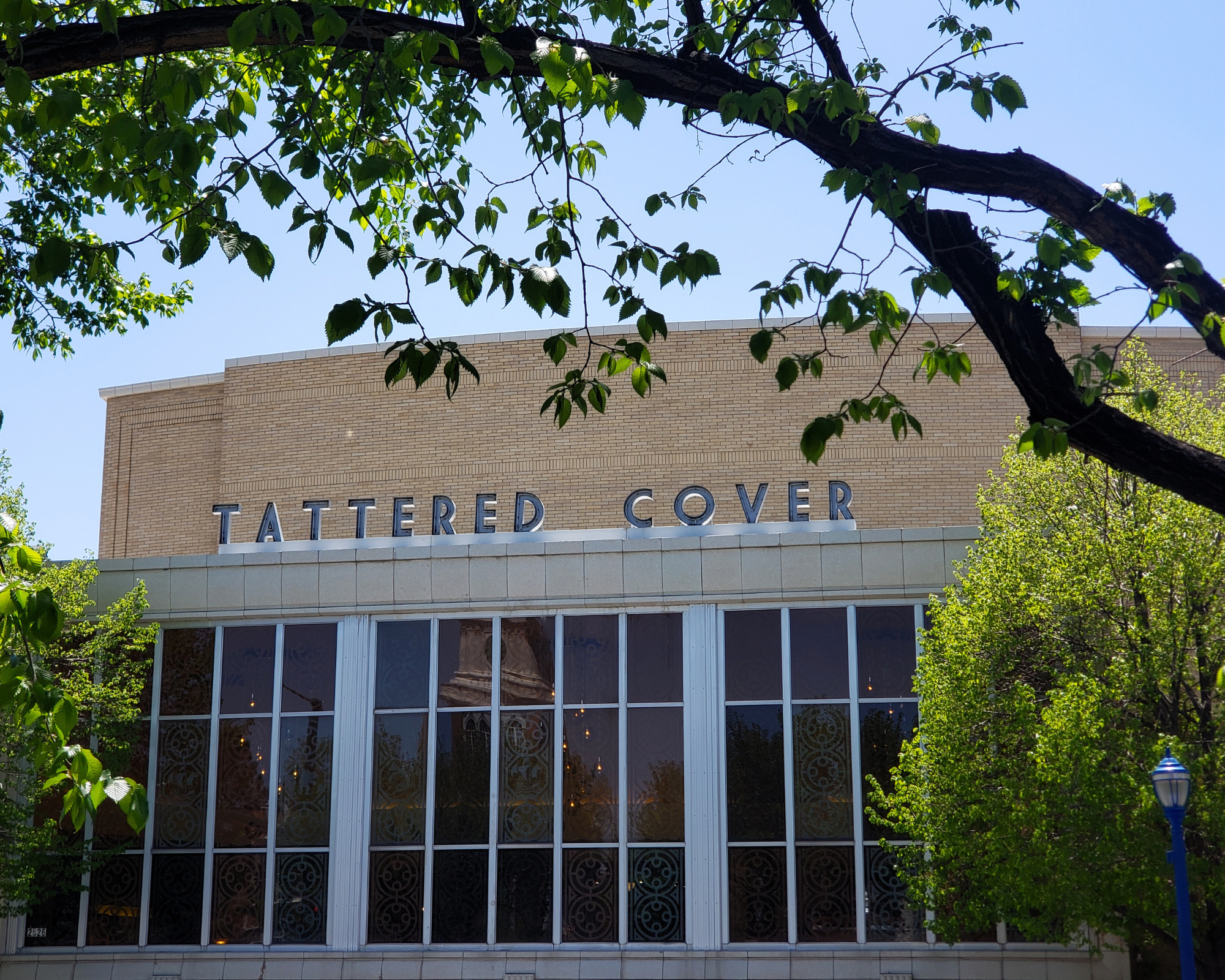
2526 E Colfax Avenue Denver, CO
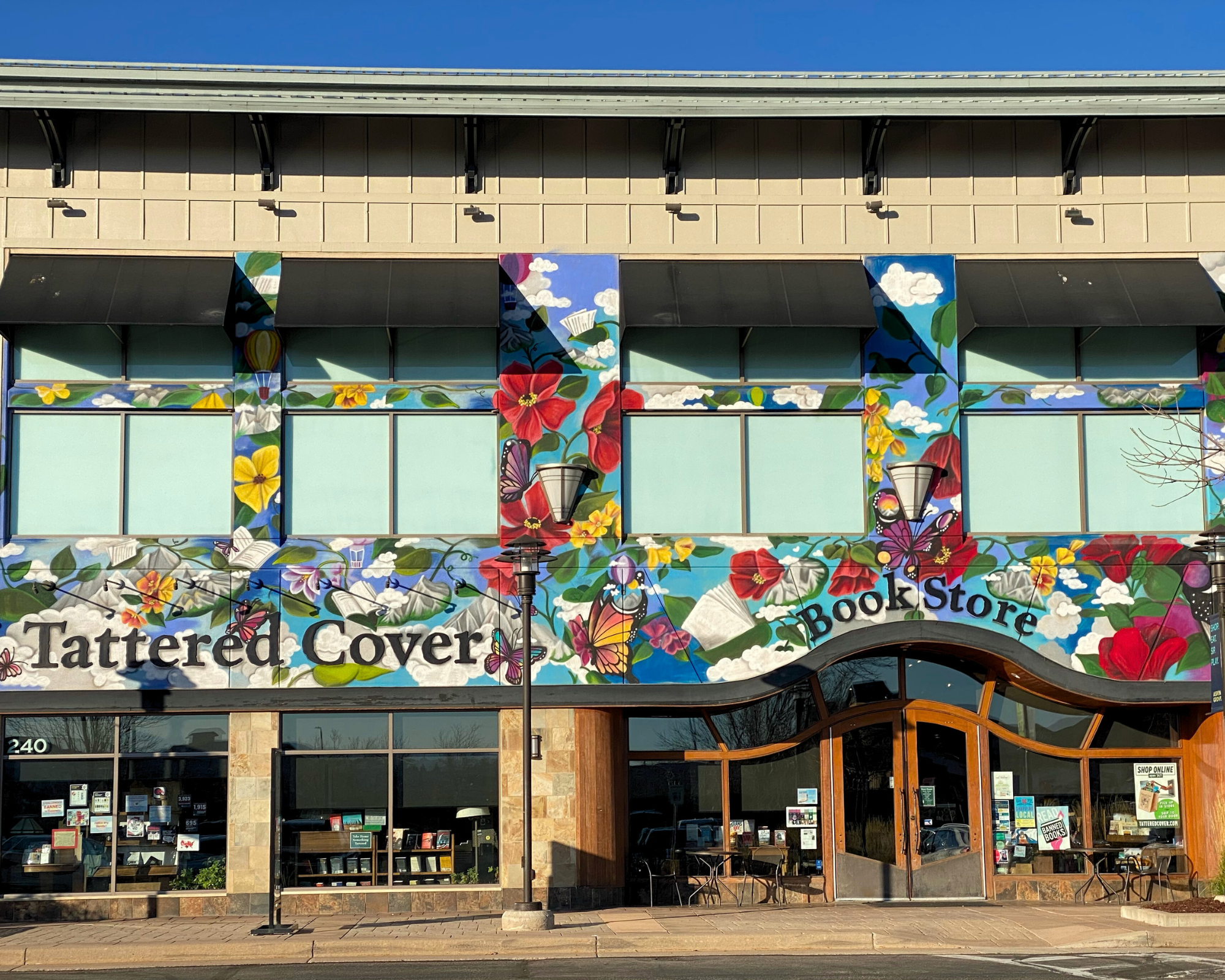
7301 S Santa Fe Drive Littleton, CO
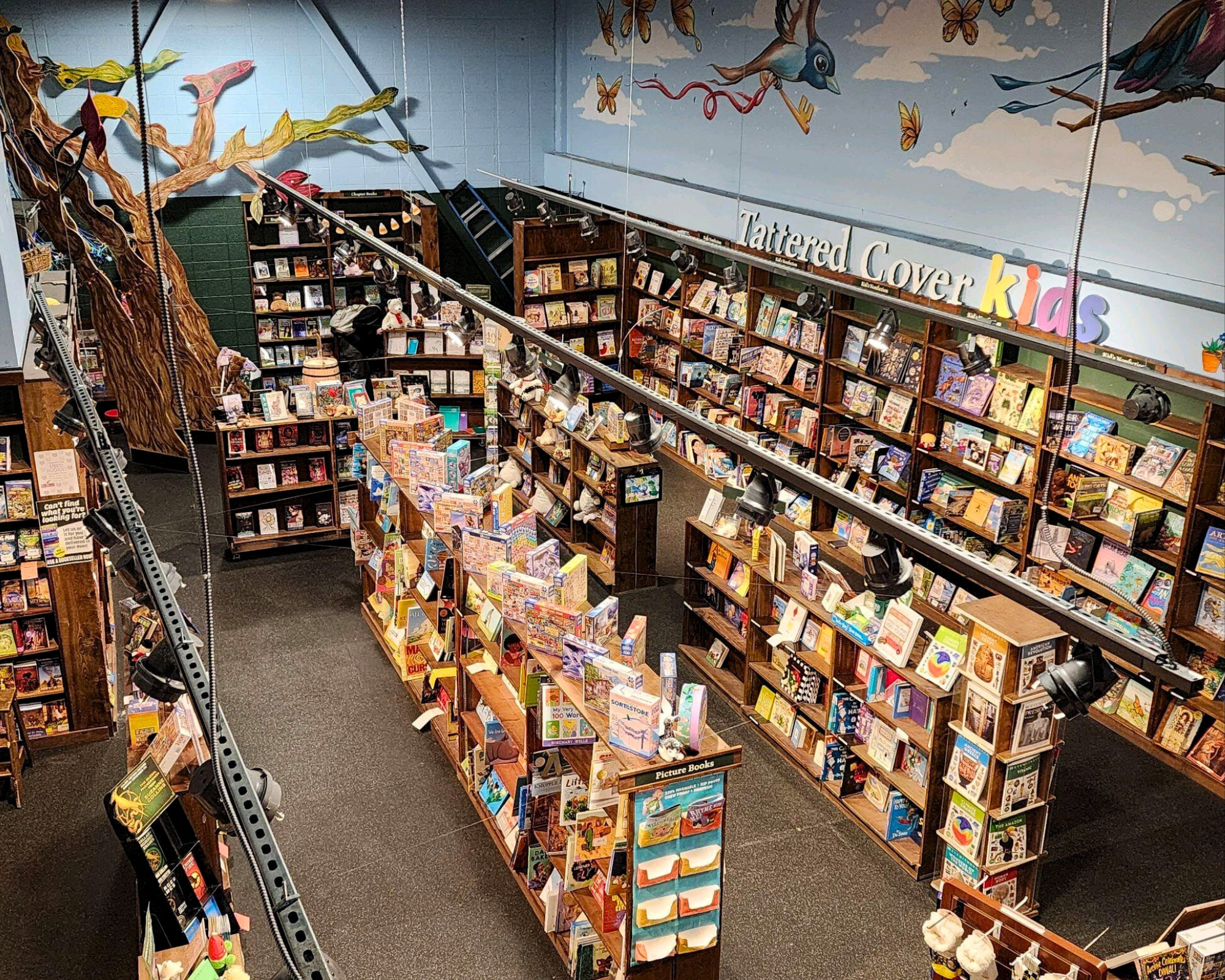
2501 Dallas St. Suite 144 Aurora, CO
1701 Wynkoop Street Denver, CO