

The Boeing B-17
Thank You For Your Reservation
You will receive an email once your order is confirmed. Items will be held for 7 days before being returned to inventory.
Select Store
Picking Up At:
Colfax Ave.
2526 E Colfax Avenue
303-322-7727
Store Hours:
Mon-Sat: 10-8
Colfax Ave.
2526 E Colfax Avenue,
Denver, CO 80206
303-322-7727
Store Hours:
- Mon-Sat: 10-8
- Sunday: 10-6
Aspen Grove
7301 South Santa Fe Drive,
Littleton, CO 80120
303-470-7050
Store Hours:
- Mon-Thu: 10-7
- Fri-Sat: 10-8
- Sunday: 11-6
Union Station
1701 Wynkoop Street in
Historic Lower Downtown Denver
303-535-9980
Store Hours:
- Every Day 8-8
Stanley Marketplace
2501 Dallas Street, Suite 144,
Aurora, CO 80010
212-697-3048
Store Hours:
- Every Day 10-7
After completing your reservation, you'll receive an email when your order is ready. Items will be held for 7 days before being returned to inventory. Payment will be due at pickup. By providing the information below you agree to Barnes & Noble's Privacy Policy which can be viewed here.
An error occurred while reserving your item. Please try again later.
Format: Paperback
For an aircraft of its size and relative complexity the B17’s design and development was heralded by a host of key innovations with the unveiling of the XB15 (Boeing 294), including engine access crawl ways, enhanced endurance and massive load capacity. Within a year the Y1B17 or Model 299 had refined ideas from the XB15 and produced a sleek, attractivelooking aircraft. By 1937 all testing had been completed and the first 12 aircraft were delivered to 2nd Bombardment Group for assessment.
At the start of the Second World War the stillnew B17 was just beginning to fill the ranks of US bomber squadron’s and by early 1941 the B17C, arguably the fastest B17 built, was flying in RAF Service. The B17 was soon flying over Europe with the newlycreated United States Army Air Forces, as well as taking the fight to the Japanese in the Pacific and to the Axis in the Mediterranean.
When production of the B17 was halted in April 1945, at which point the B17 had been supplanted by the B24 in the Pacific, over 12,700 B17s had been built. The type would bow out as a bomber not long after the war’s end, though a few would soldier on as SB17 airsea rescue aircraft. Ultimately the B17 would fly with 26 countries.
This Flight Craft title offers the modeler an exciting selection of photographs, illustrations and showcase examples to help build their own version of this icon of the skies.
Choose options
New Releases












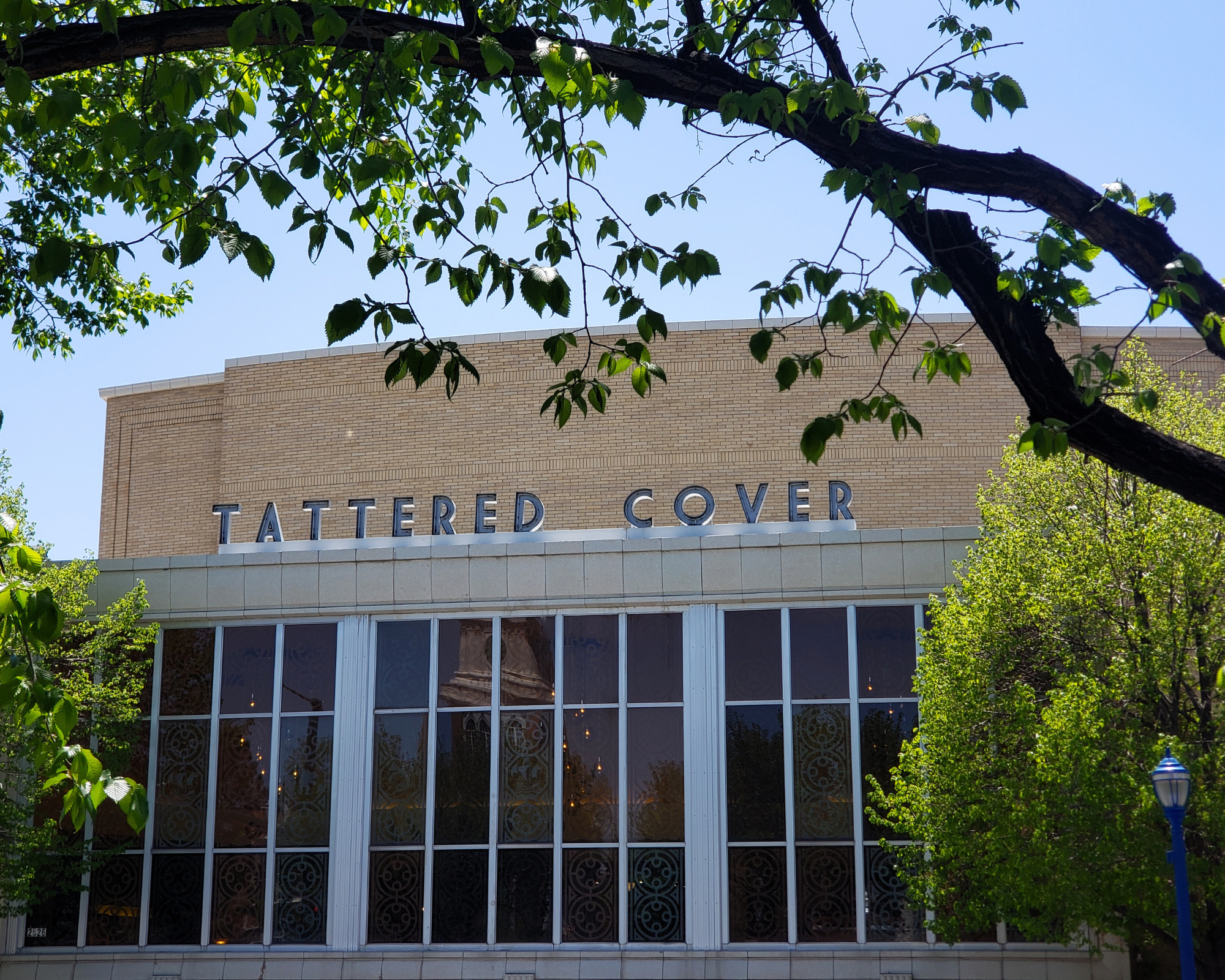
2526 E Colfax Avenue Denver, CO

7301 S Santa Fe Drive Littleton, CO
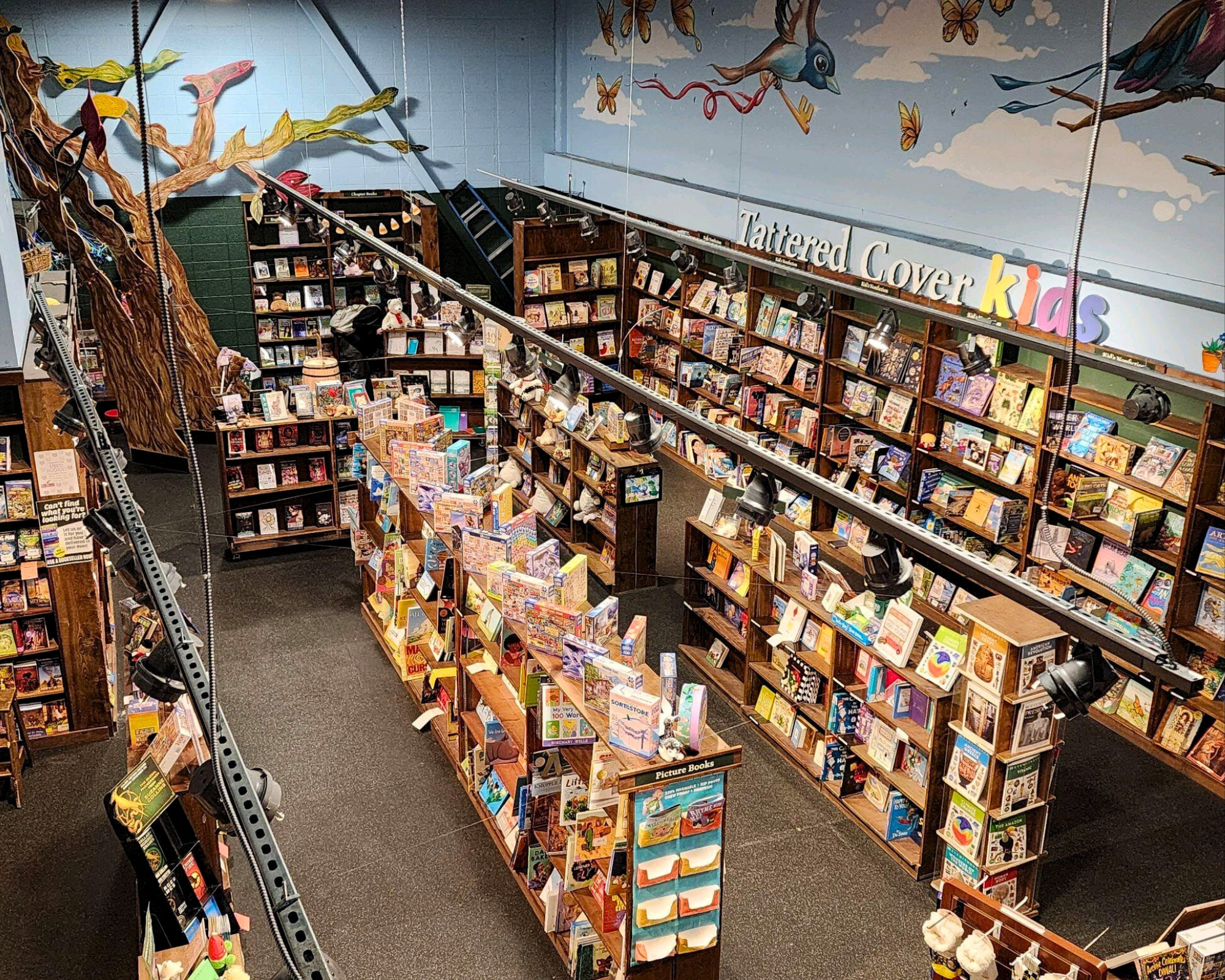
2501 Dallas St. Suite 144 Aurora, CO

1701 Wynkoop Street Denver, CO