
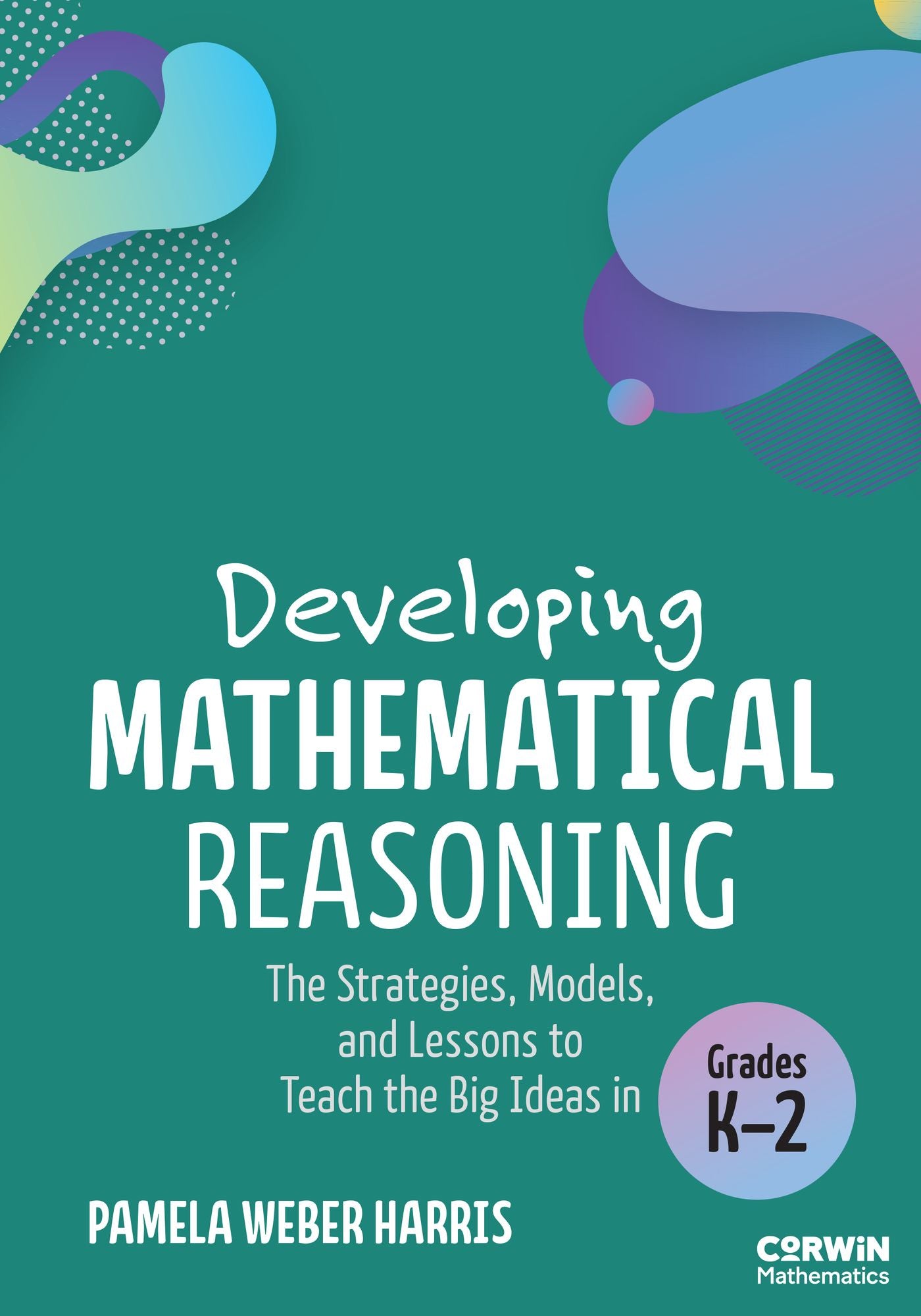
Developing Mathematical Reasoning: The Strategies, Models, and Lessons to Teach the Big Ideas in Grades K-2
Thank You For Your Reservation
You will receive an email once your order is confirmed. Items will be held for 7 days before being returned to inventory.
Developing Mathematical Reasoning: The Strategies, Models, and Lessons to Teach the Big Ideas in Grades K-2
Paperback
Prices may vary by store.
Select Store
Picking Up At:
Colfax Ave.
2526 E Colfax Avenue
303-322-7727
Store Hours:
Mon-Sat: 10-8
Colfax Ave.
2526 E Colfax Avenue,
Denver, CO 80206
303-322-7727
Store Hours:
- Mon-Sat: 10-8
- Sunday: 10-6
Aspen Grove
7301 South Santa Fe Drive,
Littleton, CO 80120
303-470-7050
Store Hours:
- Mon-Thu: 10-7
- Fri-Sat: 10-8
- Sunday: 11-6
Union Station
1701 Wynkoop Street in
Historic Lower Downtown Denver
303-535-9980
Store Hours:
- Every Day 8-8
Stanley Marketplace
2501 Dallas Street, Suite 144,
Aurora, CO 80010
212-697-3048
Store Hours:
- Every Day 10-7
After completing your reservation, you'll receive an email when your order is ready. Items will be held for 7 days before being returned to inventory. Payment will be due at pickup. By providing the information below you agree to Barnes & Noble's Privacy Policy which can be viewed here.
An error occurred while reserving your item. Please try again later.
Format: Paperback
Math is not rote-memorizable. Math is not random-guessable. Math is figure-out-able.
Author Pam Harris argues that teaching real math—math that is free of distortions—will reach more students more effectively and result in deeper understanding and longer retention. This book is about teaching undistorted math using the kinds of mental reasoning that mathematicians do.
Memorization tricks and algorithms meant to make math “easier” are full of traps that sacrifice long-term student growth for short-lived gains. Students and teachers alike have been led to believe that they’ve learned more and more math, but in reality their brains never get any stronger. Using these tricks may make facts easier to memorize in isolation, but that very disconnect distorts the reality of math.
In her landmark book Developing Mathematical Reasoning: Avoiding the Trap of Algorithms, Pam emphasizes the importance of teaching students increasingly sophisticated mathematical reasoning and understanding underlying concepts rather than relying on a set rule for solving problems. Now, in this first companion volume, Developing Mathematical Reasoning: The Strategies, Models, and Lessons to Teach the Big Ideas in Grades K-2, she demonstrates how counting and additive strategies serve as the foundation for creating efficient, accurate, and flexible thinkers.
Everyone is capable of understanding and doing real math. This book:
- Gives step-by-step guidance on how to teach the strategies, models, and big ideas that foster confidence and long-term success, preparing students for increasingly complex mathematical challenges
- Offers the “what to do” to teach counting, addition, and subtraction in ways that promote reasoning over rote memorization
- Provides practical tools such as problem strings, models, classroom routines, and discussion questions designed to implement reasoning-based practices
- Includes supporting resources for creating a classroom culture where students see math as figure-out-able and gain confidence as mathematical thinkers
By addressing common misconceptions about math and providing practical strategies for teaching real math, this book shows that everyone can use the mathematical relationships they already know to reason about new relationships. In other words, everyone can math-even the very youngest students!
Choose options
New Releases












2526 E Colfax Avenue Denver, CO

7301 S Santa Fe Drive Littleton, CO
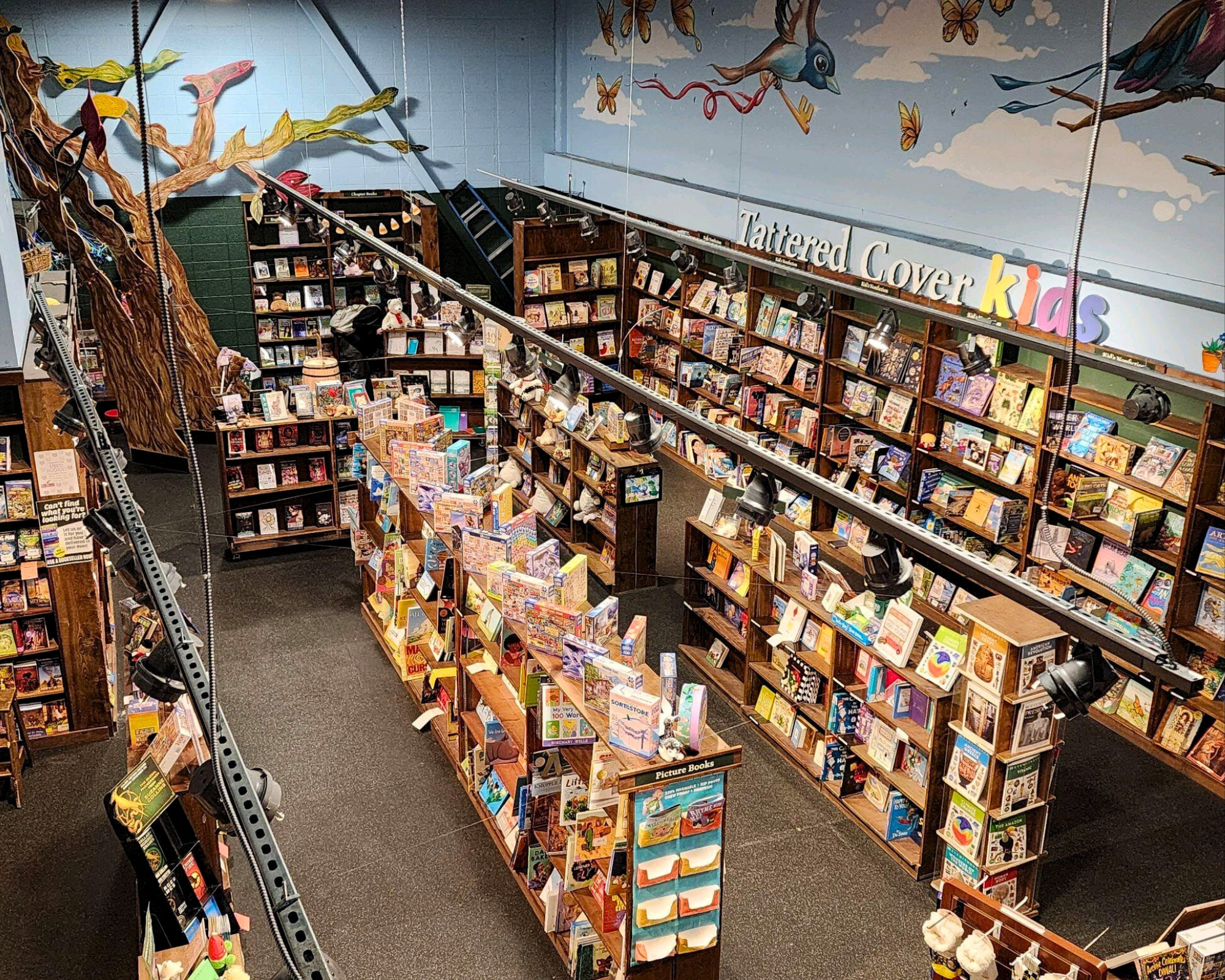
2501 Dallas St. Suite 144 Aurora, CO

1701 Wynkoop Street Denver, CO