

Why the Assembly Disbanded
Thank You For Your Reservation
You will receive an email once your order is confirmed. Items will be held for 7 days before being returned to inventory.
Select Store
Picking Up At:
Colfax Ave.
2526 E Colfax Avenue
303-322-7727
Store Hours:
Mon-Sat: 10-8
Colfax Ave.
2526 E Colfax Avenue,
Denver, CO 80206
303-322-7727
Store Hours:
- Mon-Sat: 10-8
- Sunday: 10-6
Aspen Grove
7301 South Santa Fe Drive,
Littleton, CO 80120
303-470-7050
Store Hours:
- Mon-Thu: 10-7
- Fri-Sat: 10-8
- Sunday: 11-6
Union Station
1701 Wynkoop Street in
Historic Lower Downtown Denver
303-535-9980
Store Hours:
- Every Day 8-8
Stanley Marketplace
2501 Dallas Street, Suite 144,
Aurora, CO 80010
212-697-3048
Store Hours:
- Every Day 10-7
After completing your reservation, you'll receive an email when your order is ready. Items will be held for 7 days before being returned to inventory. Payment will be due at pickup. By providing the information below you agree to Barnes & Noble's Privacy Policy which can be viewed here.
An error occurred while reserving your item. Please try again later.
Format: Paperback
Throughout Roberto Tejada’s body of work, the renowned poet and celebrated critic has explored themes of Latinx culture, politics, history, language, and ecologies. In his latest collection, Why the Assembly Disbanded, he presents a unique contribution to Latinx letters that reflects on the relations between the United States and Latin America, especially their real and symbolic borderlands.
Immersive, postmodern, and philosophical, Why the Assembly Disbanded provides an associative, critical Latinx aesthetic connecting the Mexico–United States borderlands to Latin America’s neo-baroque heritage. Migrants, settlers, tourists, and exiles moving across various hemispheric landscapes are featured in these exuberant, capacious, and self-reflexive poems. Tejada relates the ravages of white supremacy in our culture that, together with immigrant precarity, turn home into a place of foreboding and impending eviction, even as a dream-weather makes room at last for scenes of possibility and attainment in the account of human history.
The sweeping futuristic vistas open on to narratives of colonial extraction, human displacement, abuses of capitalism, mass media spectacle, the antagonism of language and technical images in the sensorium of urban and digital life-worlds, and the relations of desire encouraged by pictures and words in the economy of attention. Los Angeles and Mexico City figure prominently in poems committed to voicing modes of formation and community in an intersectional reckoning of personhoods prompted in work by artists Betye Saar, Amiri Baraka, Connie Samaras, and Rubén Ortiz Torres.
With language given to pageantry, tonal precision, and a hopeful lyric radiance that can accommodate ecstasy and justice, Roberto Tejada’s carnivalesque, borderland imagery pushes the boundaries of Latinx literature. World-building by way of reverie, speculation, and retro-futurist tableaux, and with vivid, sometimes violent particularity, his poems enact hallucinatory realities of the hemisphere: an imagination that triangulates history, lyricism, and art as social practice.
Choose options
New Releases









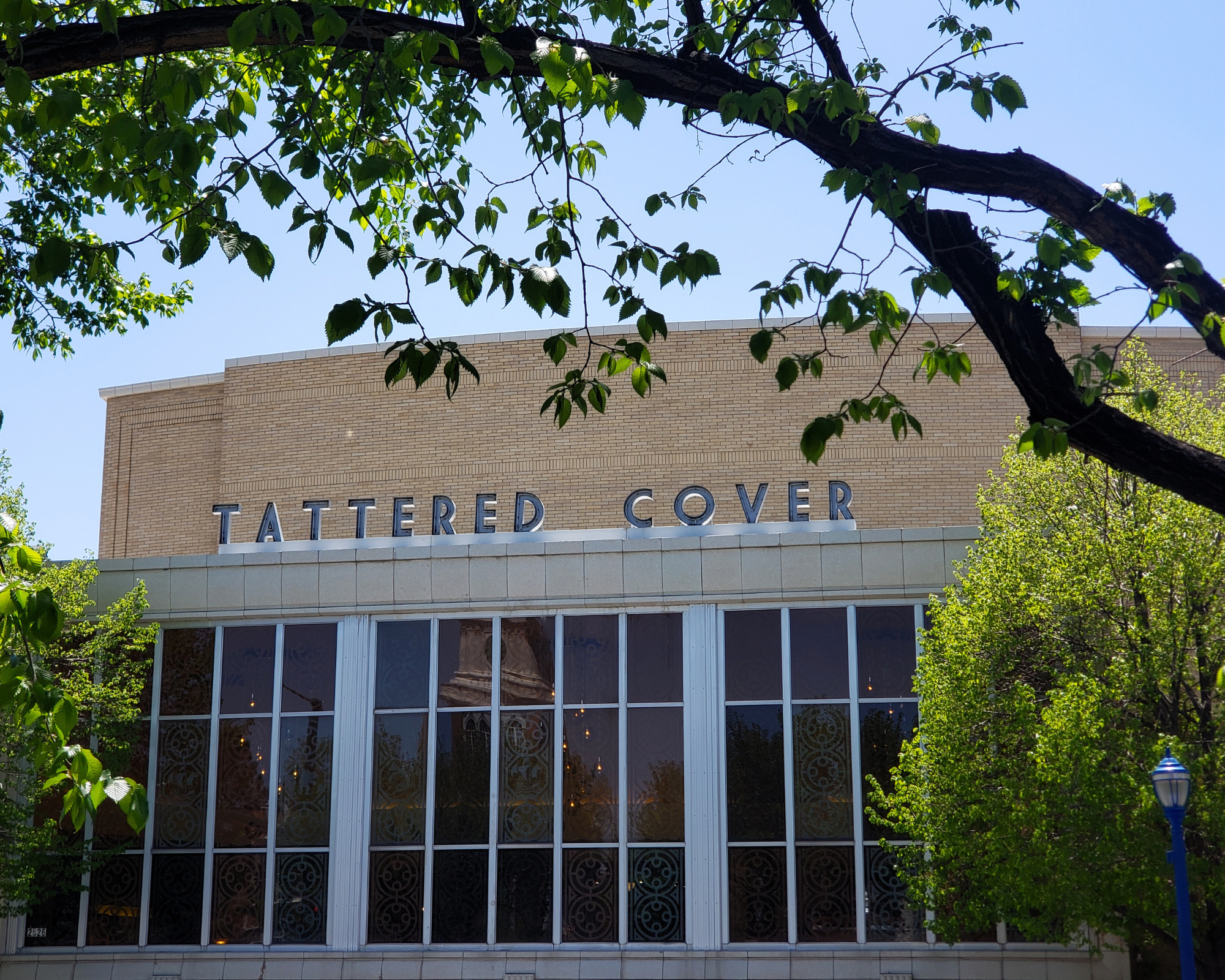
2526 E Colfax Avenue Denver, CO
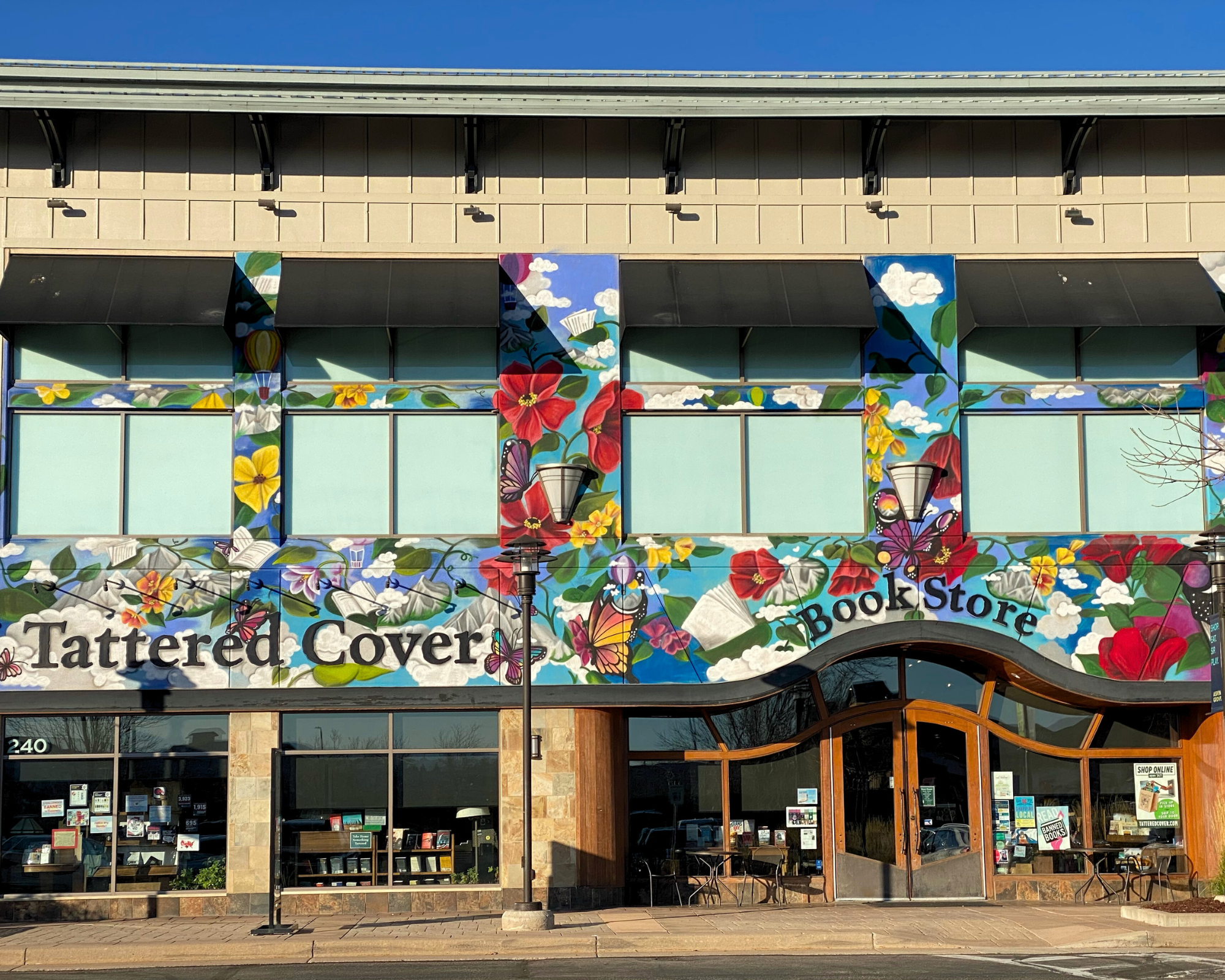
7301 S Santa Fe Drive Littleton, CO
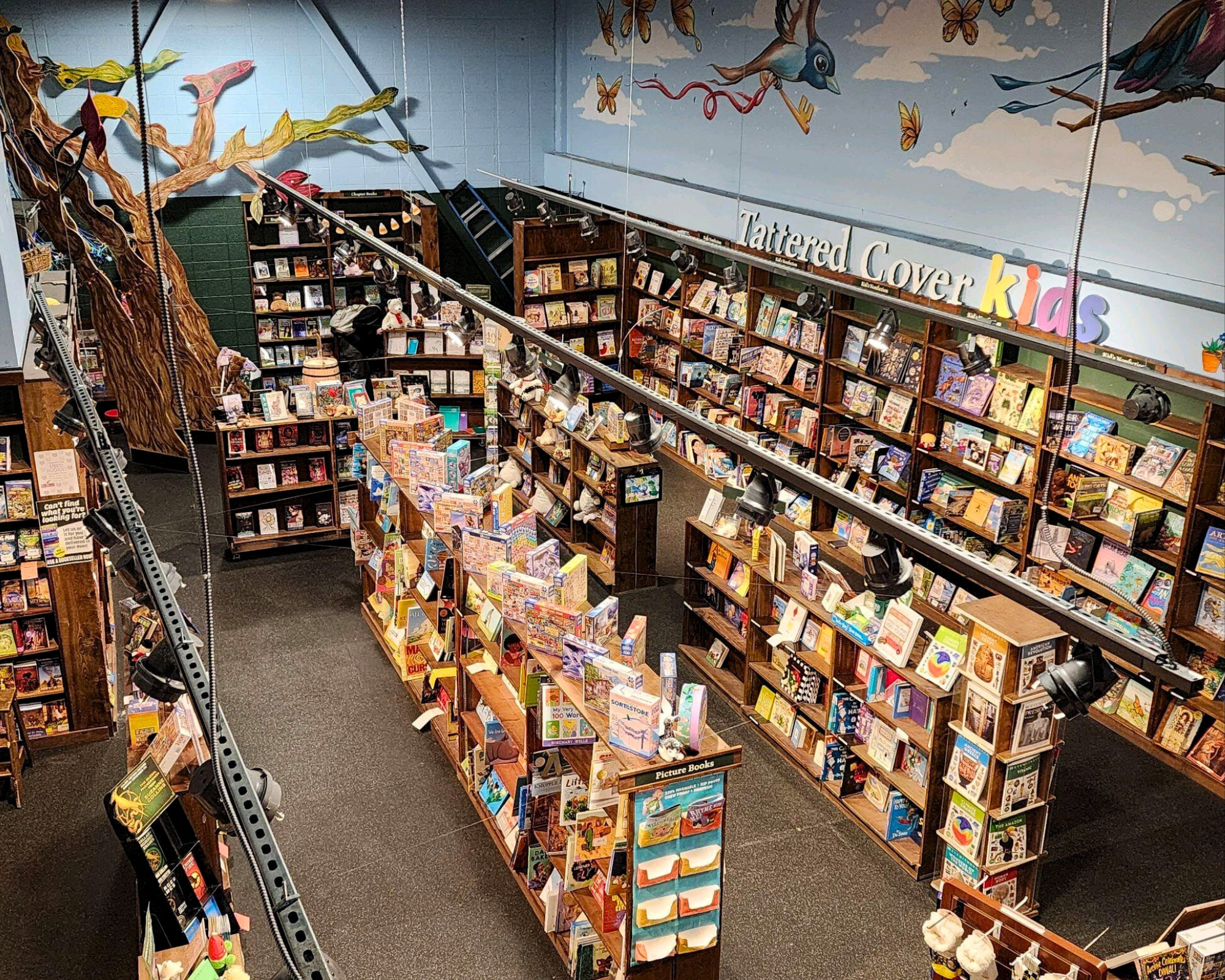
2501 Dallas St. Suite 144 Aurora, CO
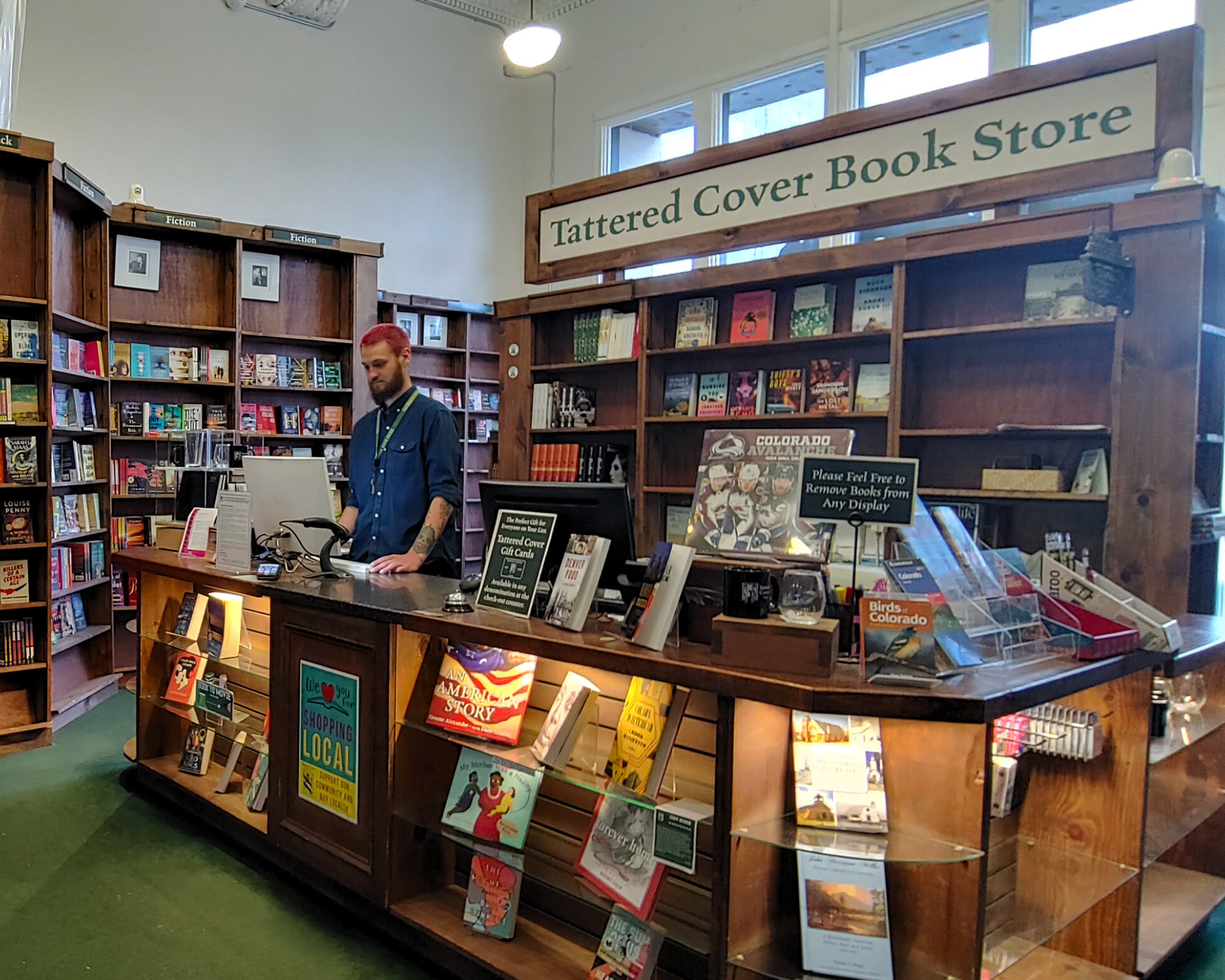
1701 Wynkoop Street Denver, CO