
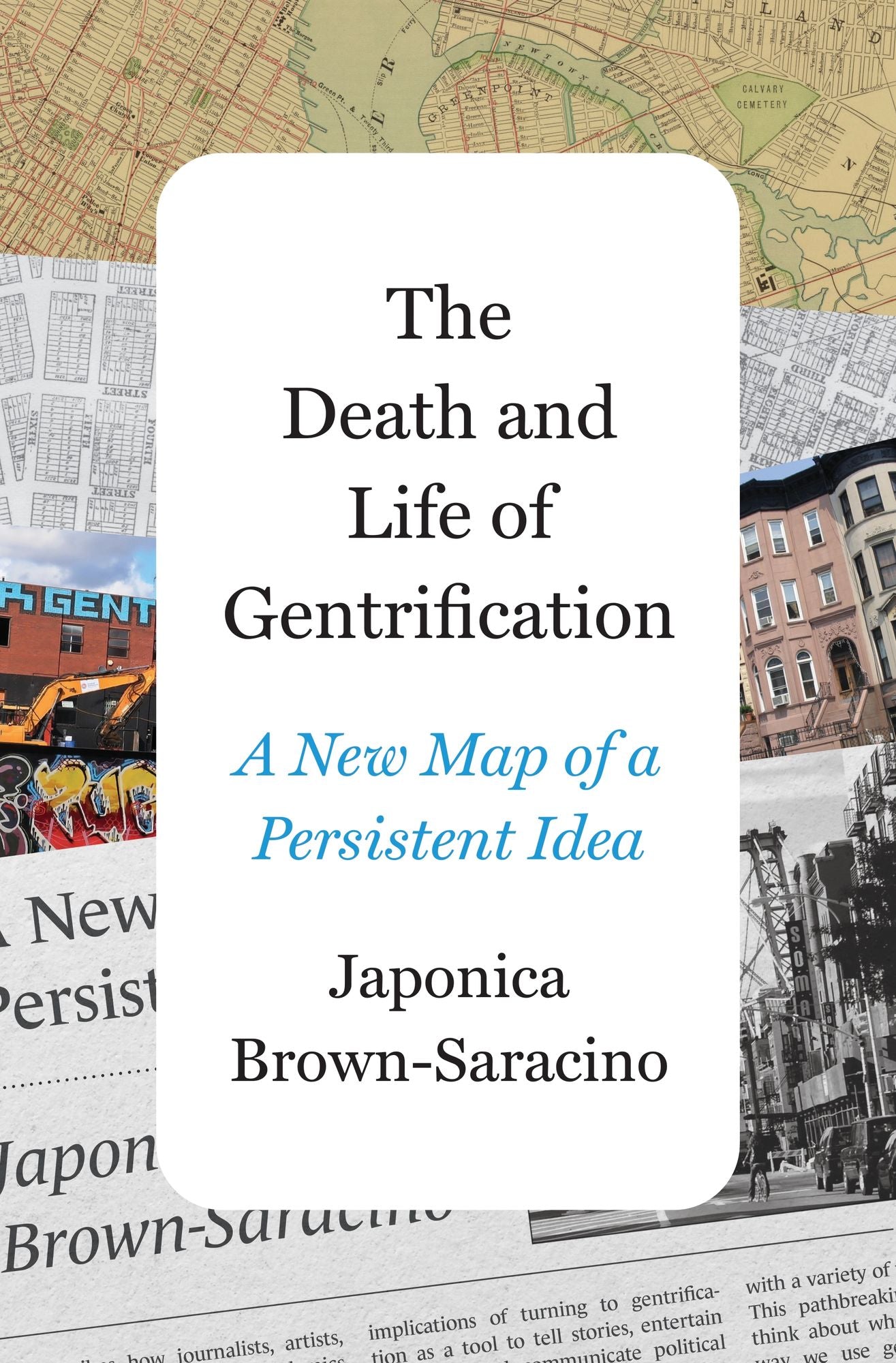
The Death and Life of Gentrification: A New Map of a Persistent Idea
Thank You For Your Reservation
You will receive an email once your order is confirmed. Items will be held for 7 days before being returned to inventory.
The Death and Life of Gentrification: A New Map of a Persistent Idea
Hardcover
Prices may vary by store.
Select Store
Picking Up At:
Colfax Ave.
2526 E Colfax Avenue
303-322-7727
Store Hours:
Mon-Sat: 10-8
Colfax Ave.
2526 E Colfax Avenue,
Denver, CO 80206
303-322-7727
Store Hours:
- Mon-Sat: 10-8
- Sunday: 10-6
Aspen Grove
7301 South Santa Fe Drive,
Littleton, CO 80120
303-470-7050
Store Hours:
- Mon-Thu: 10-7
- Fri-Sat: 10-8
- Sunday: 11-6
Union Station
1701 Wynkoop Street in
Historic Lower Downtown Denver
303-535-9980
Store Hours:
- Every Day 8-8
Stanley Marketplace
2501 Dallas Street, Suite 144,
Aurora, CO 80010
212-697-3048
Store Hours:
- Every Day 10-7
After completing your reservation, you'll receive an email when your order is ready. Items will be held for 7 days before being returned to inventory. Payment will be due at pickup. By providing the information below you agree to Barnes & Noble's Privacy Policy which can be viewed here.
An error occurred while reserving your item. Please try again later.
Format: Hardcover
Sociologist Ruth Glass coined the term gentrification in the 1960s to mark the displacement of working-class residents in London neighborhoods by the professional classes. The Death and Life of Gentrification traces how the word has far outgrown Glass’s meaning, becoming a socially charged metaphor for cultural appropriation, upscaling, and the loss of authenticity.
In this lively and insightful book, Japonica Brown-Saracino traces how a concept originally intended to describe the brick-and-mortar transformation of neighborhoods has come to characterize transformations that have little to do with cities. She describes how journalists, artists, filmmakers, novelists, and academics use gentrification as a symbolic device to mourn how everyday pleasures and forms of self-expression—from music to marijuana, kale, and tattoos—entered the domain of the elite. She weighs the implications of turning to gentrification as a tool to tell stories, entertain audiences, and communicate political messages. Relying on vivid examples, the book reveals how the term today expresses widespread ambivalence about rising economic inequality and unease with a variety of forms of social change. This pathbreaking book forces us to think about whether the wide-ranging way we use gentrification dilutes its meaning and stymies efforts to identify and resist urban displacement.
Drawing on everything from film and television to novels and art, The Death and Life of Gentrification sheds critical light on the changing meaning of gentrification in contemporary life. The book is a must-read for anyone interested in gentrification and urban dynamics, as well as for readers curious about attitudes about growing income inequality and the evolution and circulation of ideas.
Choose options
New Releases












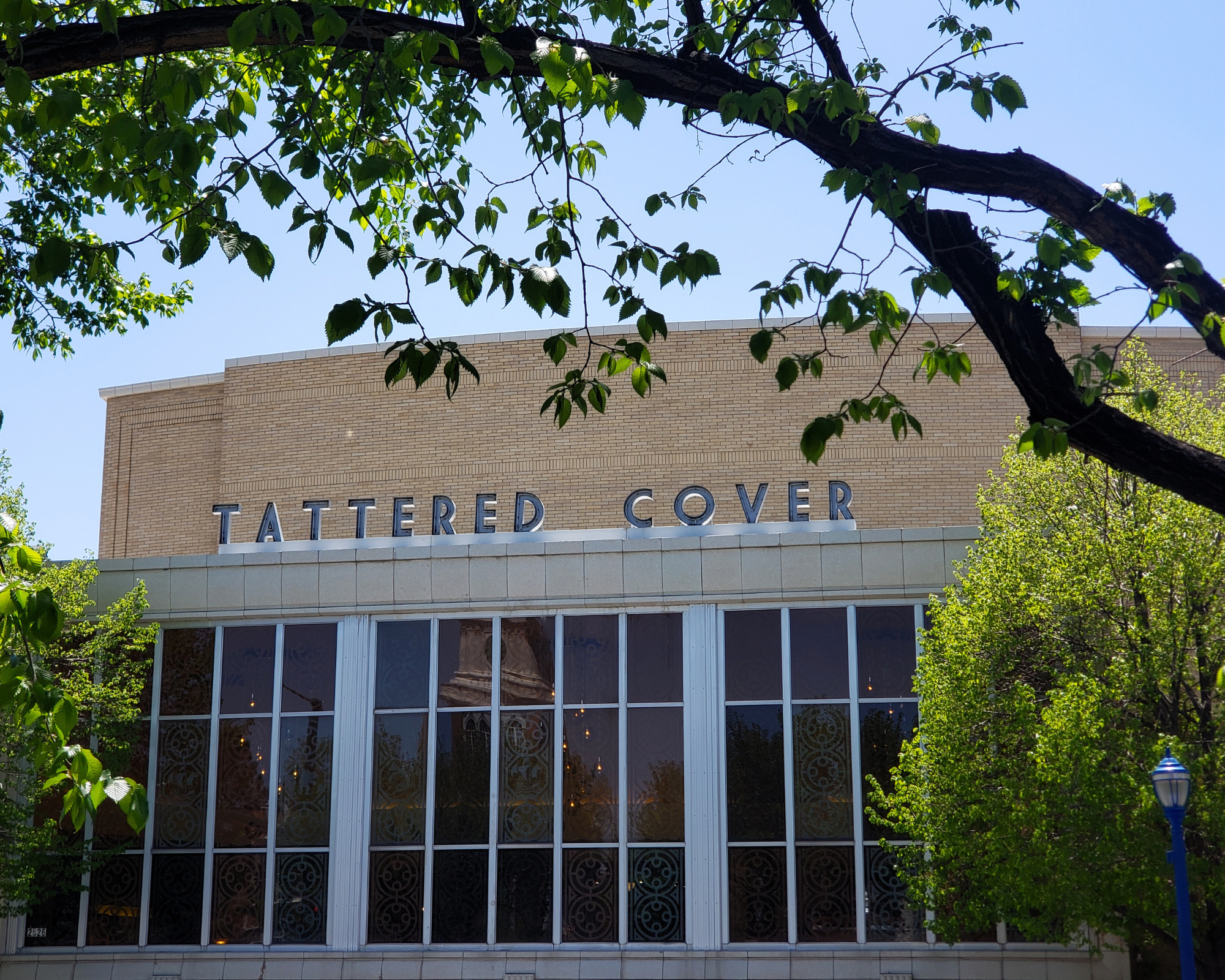
2526 E Colfax Avenue Denver, CO
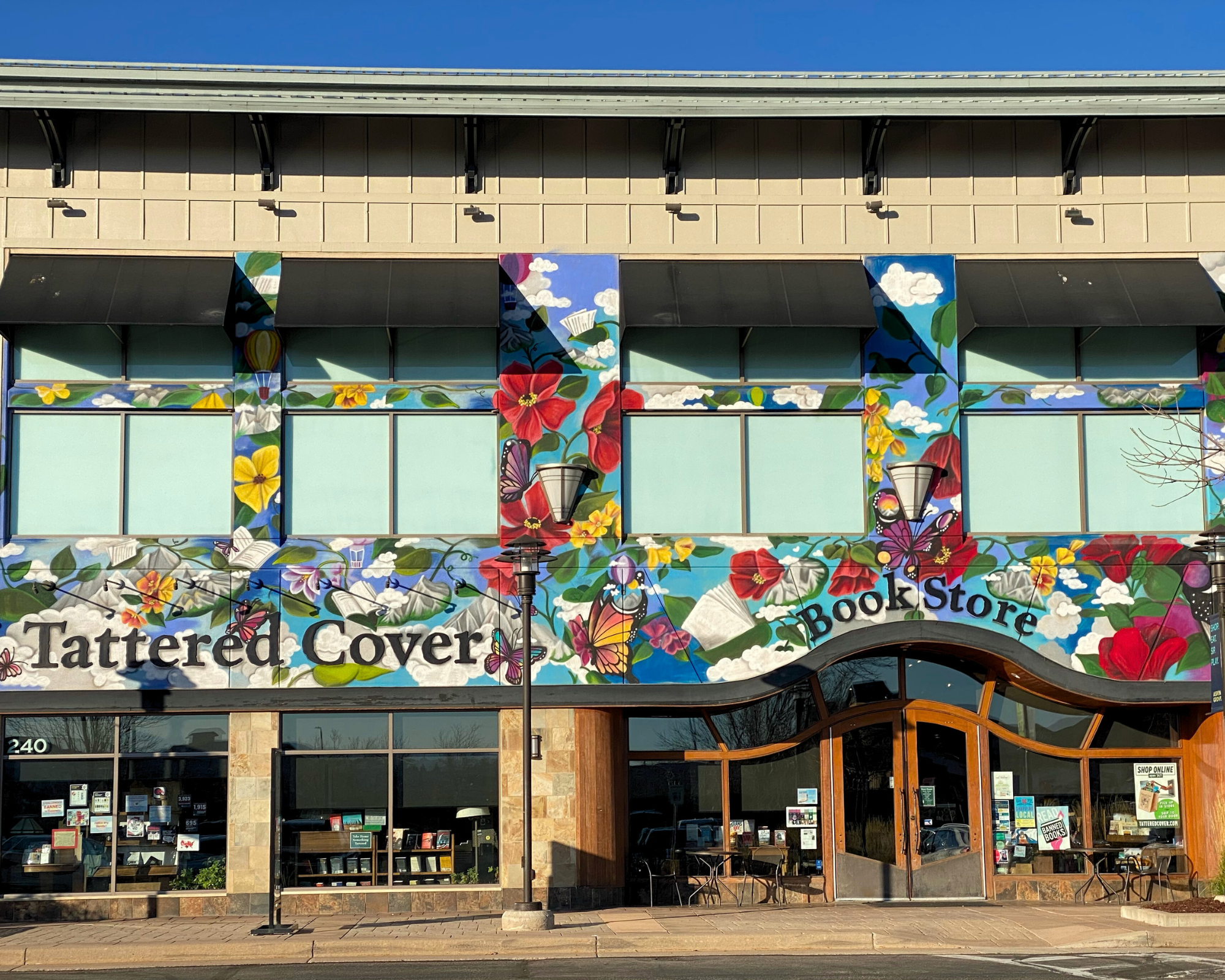
7301 S Santa Fe Drive Littleton, CO
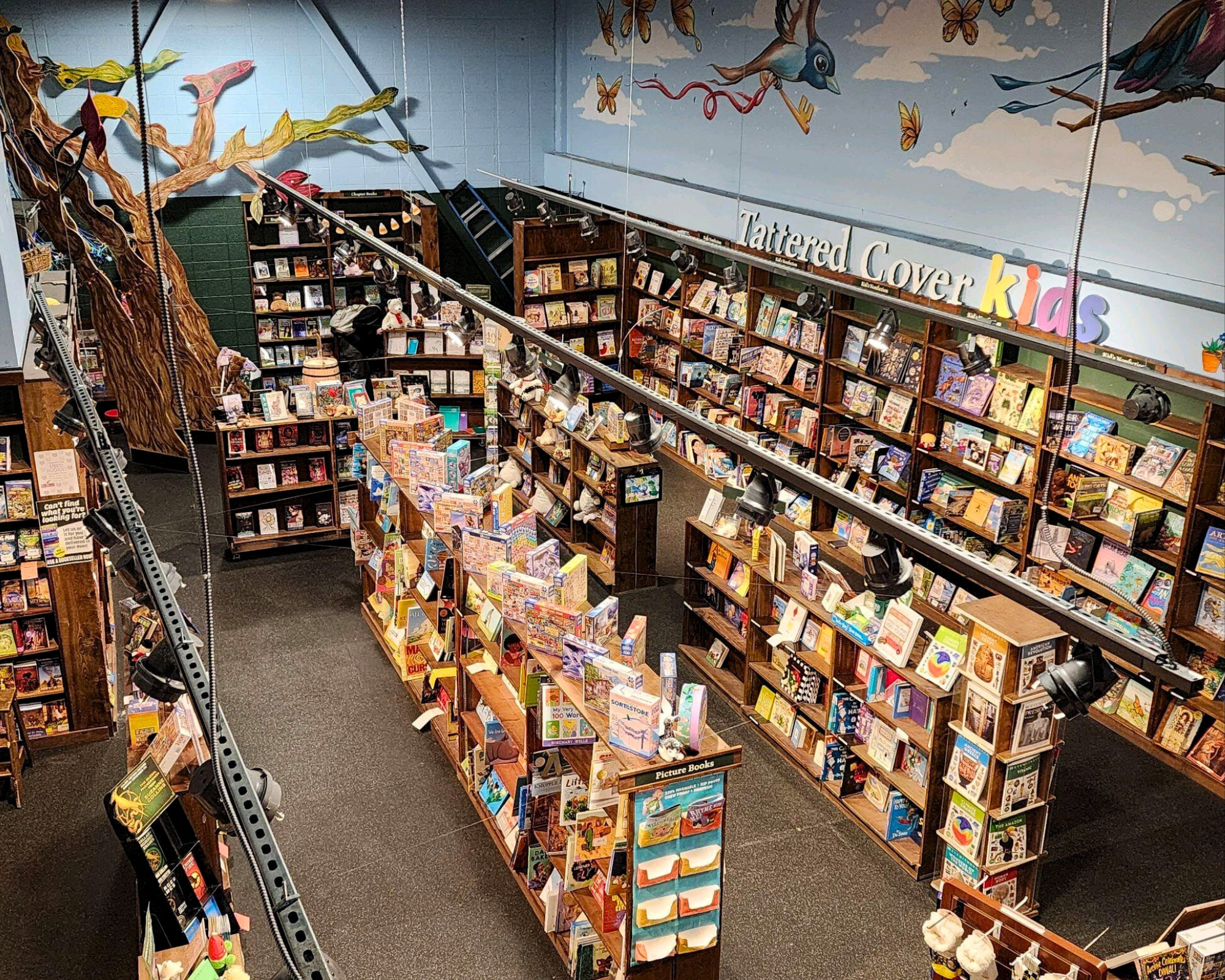
2501 Dallas St. Suite 144 Aurora, CO

1701 Wynkoop Street Denver, CO