
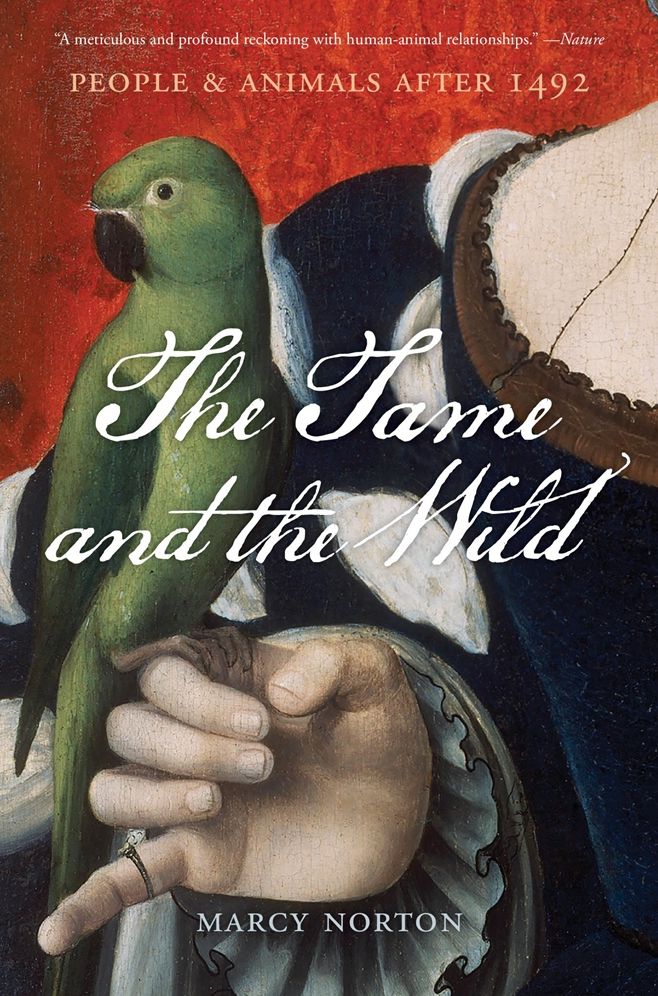
The Tame and the Wild: People and Animals after 1492
Thank You For Your Reservation
You will receive an email once your order is confirmed. Items will be held for 7 days before being returned to inventory.
The Tame and the Wild: People and Animals after 1492
Paperback
Prices may vary by store.
Select Store
Picking Up At:
Colfax Ave.
2526 E Colfax Avenue
303-322-7727
Store Hours:
Mon-Sat: 10-8
Colfax Ave.
2526 E Colfax Avenue,
Denver, CO 80206
303-322-7727
Store Hours:
- Mon-Sat: 10-8
- Sunday: 10-6
Aspen Grove
7301 South Santa Fe Drive,
Littleton, CO 80120
303-470-7050
Store Hours:
- Mon-Thu: 10-7
- Fri-Sat: 10-8
- Sunday: 11-6
Union Station
1701 Wynkoop Street in
Historic Lower Downtown Denver
303-535-9980
Store Hours:
- Every Day 8-8
Stanley Marketplace
2501 Dallas Street, Suite 144,
Aurora, CO 80010
212-697-3048
Store Hours:
- Every Day 10-7
After completing your reservation, you'll receive an email when your order is ready. Items will be held for 7 days before being returned to inventory. Payment will be due at pickup. By providing the information below you agree to Barnes & Noble's Privacy Policy which can be viewed here.
An error occurred while reserving your item. Please try again later.
Format: Paperback
When the first European colonizers arrived in the Americas, they were utterly dependent on the dogs and horses who assisted them in military campaigns as well as the livestock who provided them with food and labor. These settlers were convinced that their use of domesticated animals made them superior to Indigenous peoples, who did not practice livestock agriculture. In The Tame and the Wild, however, Marcy Norton shows that Indigenous ways of relating to animals were as sophisticated—and consequential—as those developed by other peoples across the Atlantic.
Like Europeans, Indigenous people throughout the Caribbean, Amazonia, and Mexico hunted wild animals. Yet, instead of raising domesticated livestock, Indigenous communities engaged in familiarization: they captured and tamed wild animals—from monkeys and parrots to sloths and manatees—whom they made into kin. Familiarization not only affected Indigenous responses to the invasions but also shaped European culture by influencing natural sciences and the emergence of the modern pet.
A sweeping history of human-animal relationships in the centuries after 1492, The Tame and the Wild explains the origins of a contemporary paradox: the fact that humans continue to create enormous suffering for some animals while enjoying companionship with others.
Choose options
New Releases













2526 E Colfax Avenue Denver, CO
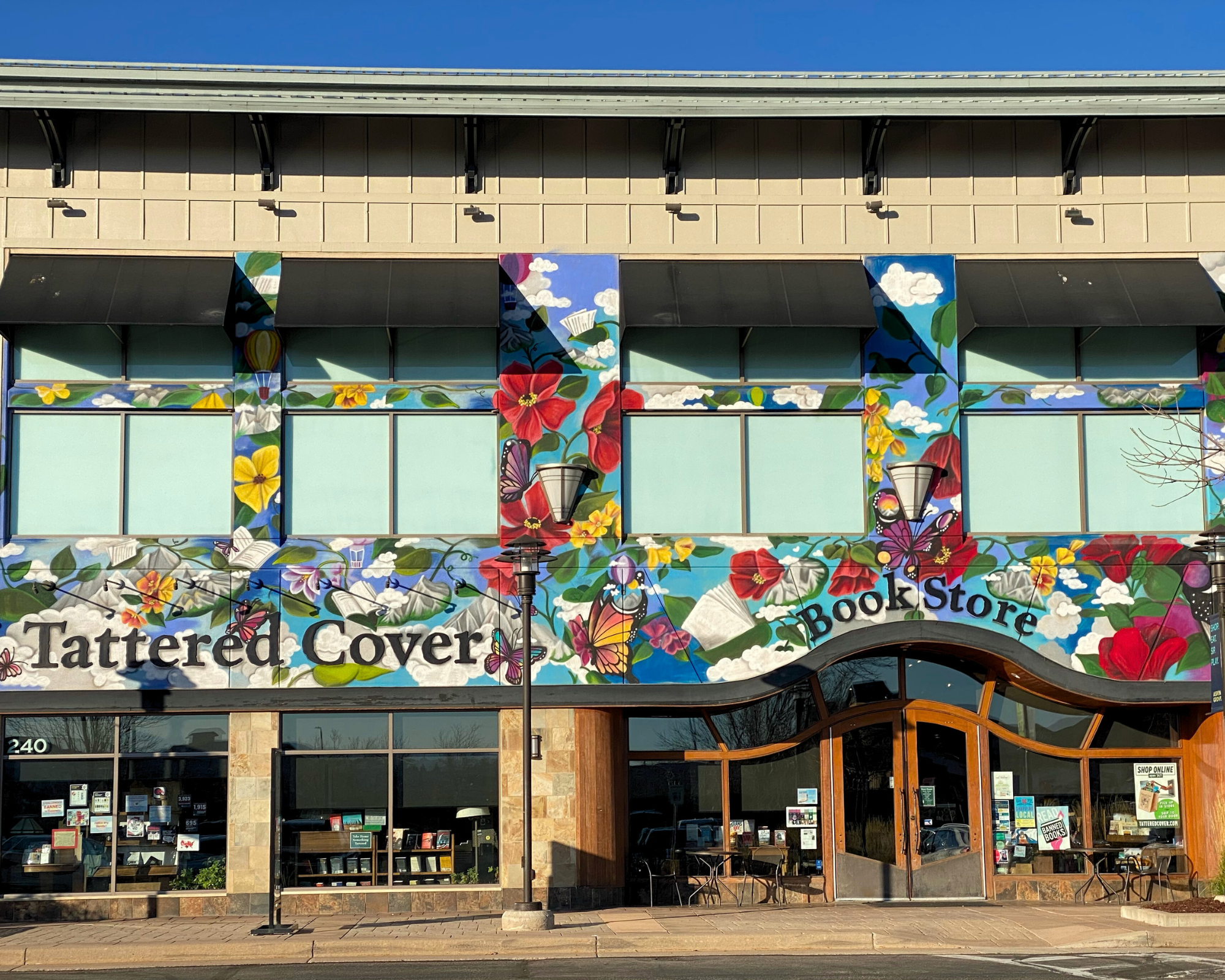
7301 S Santa Fe Drive Littleton, CO
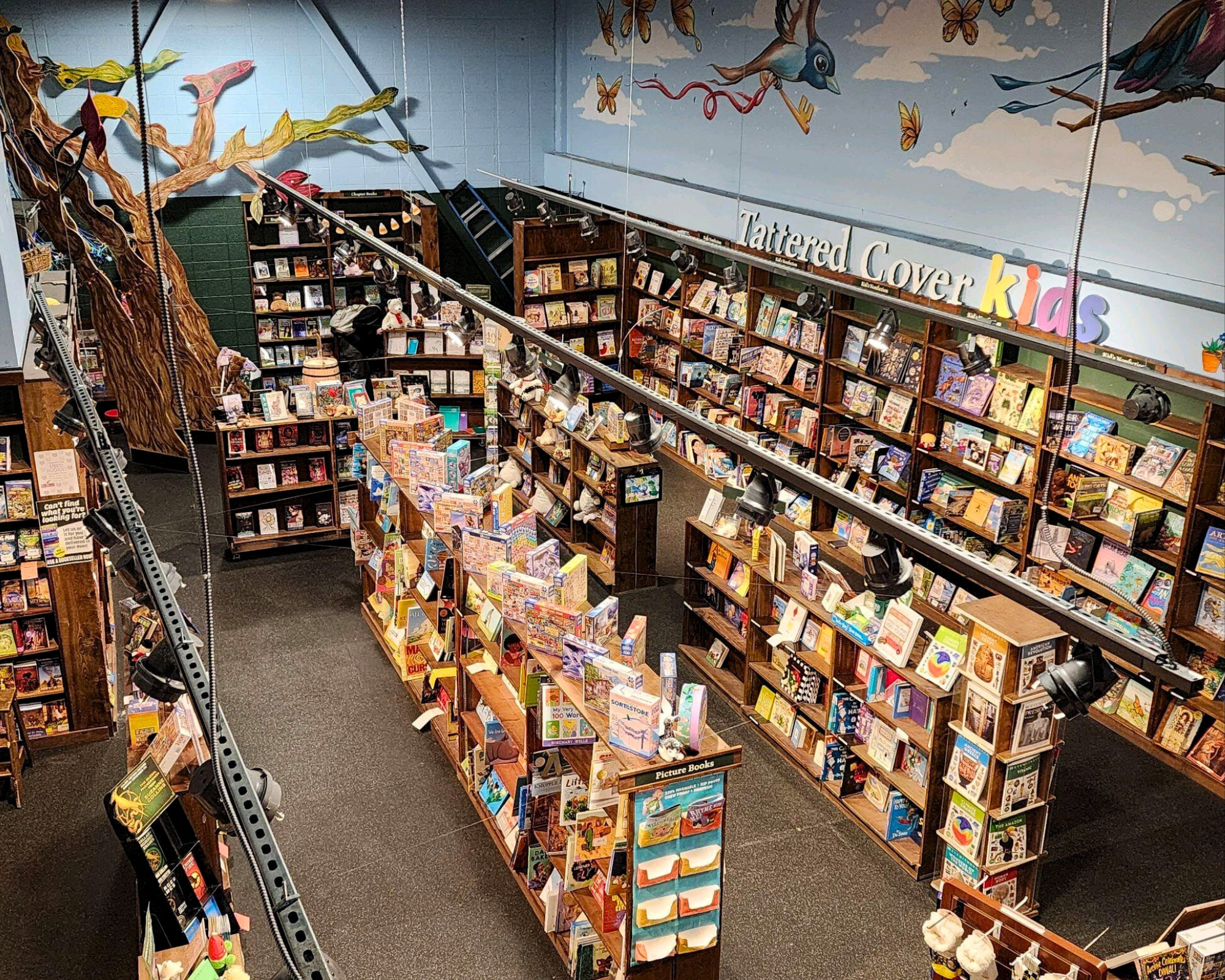
2501 Dallas St. Suite 144 Aurora, CO

1701 Wynkoop Street Denver, CO