

Afterwar: Healing the Moral Wounds of Our Soldiers
Thank You For Your Reservation
You will receive an email once your order is confirmed. Items will be held for 7 days before being returned to inventory.
Afterwar: Healing the Moral Wounds of Our Soldiers
Hardcover
Prices may vary by store.
Select Store
Picking Up At:
Colfax Ave.
2526 E Colfax Avenue
303-322-7727
Store Hours:
Mon-Sat: 10-8
Colfax Ave.
2526 E Colfax Avenue,
Denver, CO 80206
303-322-7727
Store Hours:
- Mon-Sat: 10-8
- Sunday: 10-6
Aspen Grove
7301 South Santa Fe Drive,
Littleton, CO 80120
303-470-7050
Store Hours:
- Mon-Thu: 10-7
- Fri-Sat: 10-8
- Sunday: 11-6
Union Station
1701 Wynkoop Street in
Historic Lower Downtown Denver
303-535-9980
Store Hours:
- Every Day 8-8
Stanley Marketplace
2501 Dallas Street, Suite 144,
Aurora, CO 80010
212-697-3048
Store Hours:
- Every Day 10-7
After completing your reservation, you'll receive an email when your order is ready. Items will be held for 7 days before being returned to inventory. Payment will be due at pickup. By providing the information below you agree to Barnes & Noble's Privacy Policy which can be viewed here.
An error occurred while reserving your item. Please try again later.
Format: Hardcover
Trained in both ancient ethics and psychoanalysis, and with twenty years of experience working with the military, Sherman draws on in-depth interviews with servicemen and women to paint a richly textured and compassionate picture of the moral and psychological aftermath of America's longest wars. She explores how veterans can go about reawakening their feelings without becoming re-traumatized; how they can replace resentment with trust; and the changes that need to be made in order for this to happen-by military courts, VA hospitals, and the civilians who have been shielded from the heaviest burdens of war.
2.6 million soldiers are currently returning home from war, the greatest number since Vietnam. Facing an increase in suicides and post-traumatic stress, the military has embraced measures such as resilience training and positive psychology to heal mind as well as body. Sherman argues that some psychological wounds of war need a kind of healing through moral understanding that is the special province of philosophical engagement and listening.
Choose options
New Releases












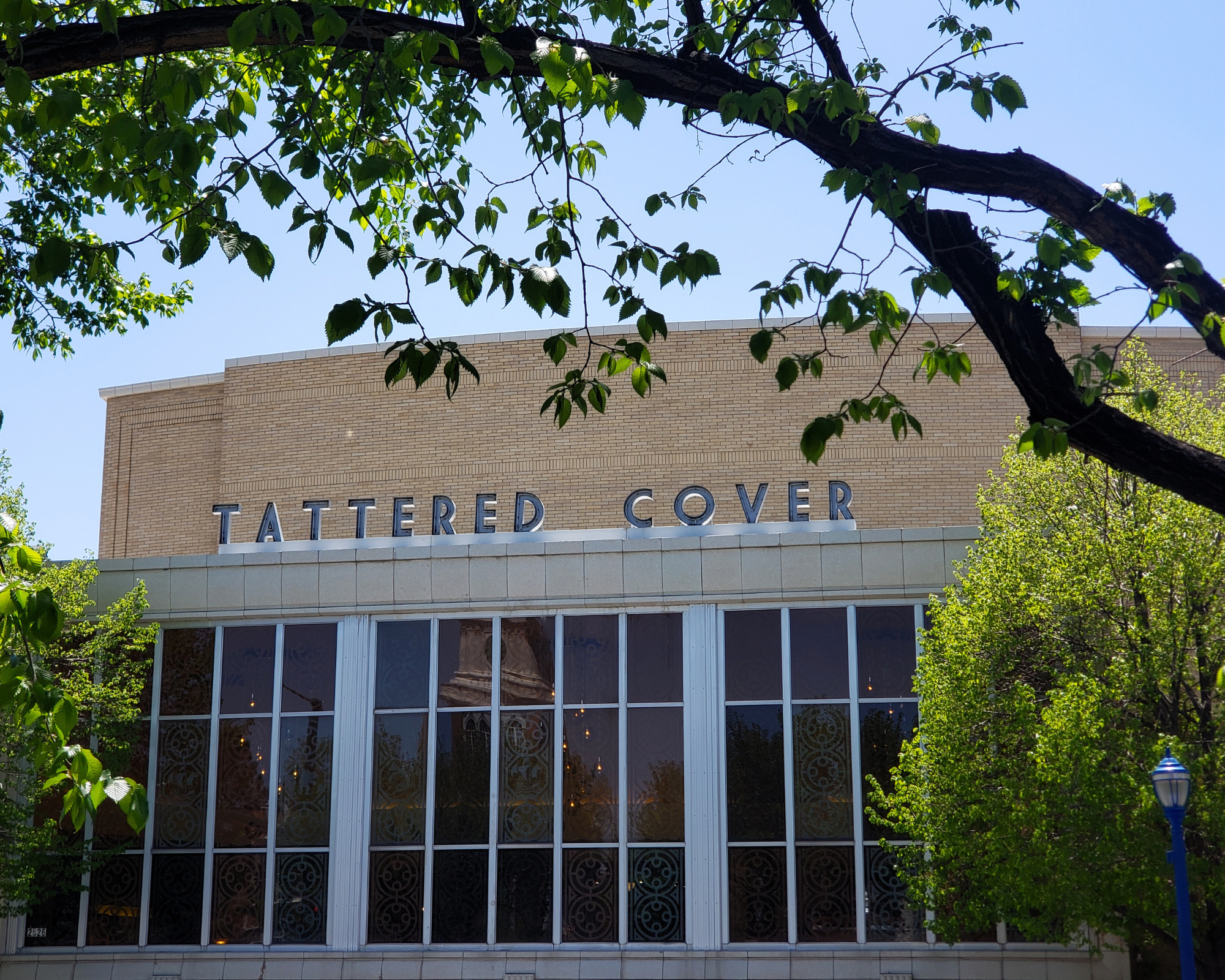
2526 E Colfax Avenue Denver, CO
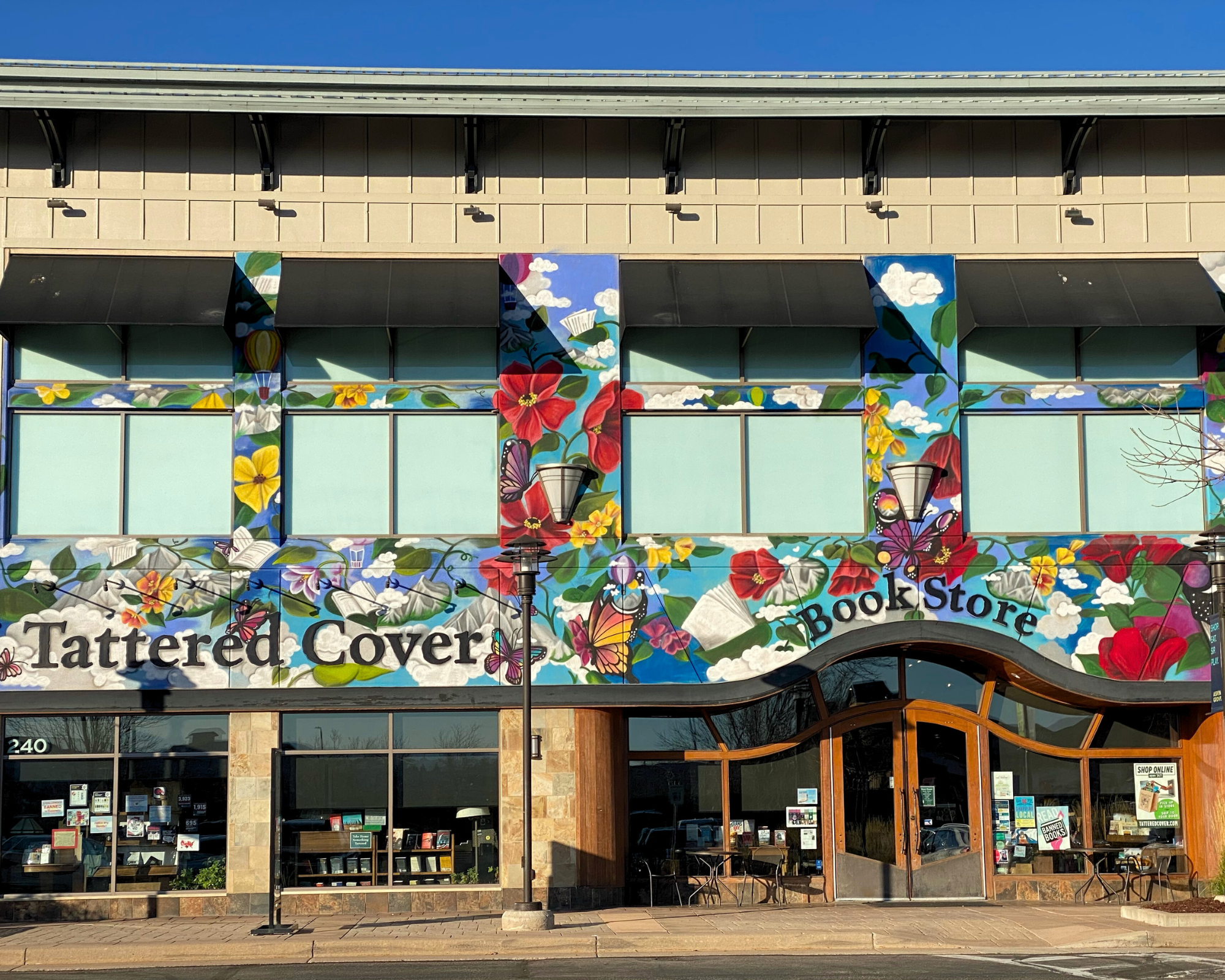
7301 S Santa Fe Drive Littleton, CO

2501 Dallas St. Suite 144 Aurora, CO

1701 Wynkoop Street Denver, CO