

The Cotswolds: A Cultural History
Thank You For Your Reservation
You will receive an email once your order is confirmed. Items will be held for 7 days before being returned to inventory.
The Cotswolds: A Cultural History
Paperback
Prices may vary by store.
Select Store
Picking Up At:
Colfax Ave.
2526 E Colfax Avenue
303-322-7727
Store Hours:
Mon-Sat: 10-8
Colfax Ave.
2526 E Colfax Avenue,
Denver, CO 80206
303-322-7727
Store Hours:
- Mon-Sat: 10-8
- Sunday: 10-6
Aspen Grove
7301 South Santa Fe Drive,
Littleton, CO 80120
303-470-7050
Store Hours:
- Mon-Thu: 10-7
- Fri-Sat: 10-8
- Sunday: 11-6
Union Station
1701 Wynkoop Street in
Historic Lower Downtown Denver
303-535-9980
Store Hours:
- Every Day 8-8
Stanley Marketplace
2501 Dallas Street, Suite 144,
Aurora, CO 80010
212-697-3048
Store Hours:
- Every Day 10-7
After completing your reservation, you'll receive an email when your order is ready. Items will be held for 7 days before being returned to inventory. Payment will be due at pickup. By providing the information below you agree to Barnes & Noble's Privacy Policy which can be viewed here.
An error occurred while reserving your item. Please try again later.
Format: Paperback
to the Cotswolds today, a picturesque destination spot popular with country-weekenders, tourists, and celebrities. Readers will visit fine churches and manor houses that have survived from the Middle Ages, and tour a landscape still bearing the scars of the Civil War. The home of kings and nobles since Saxon times, the region is famous for its elegant estates, such as Blenheim Palace--England's grandest stately home--while signs of the early industrial age can be seen in its mills and factories. Artists, musicians, and writers were also drawn to this rural paradise, from William Shakespeare and William Morris to T.S. Eliot and Ralph Vaughn Williams. Bingham captures it all in her charming portrait of this glorious spot in the heart of southern England.
Choose options
New Releases







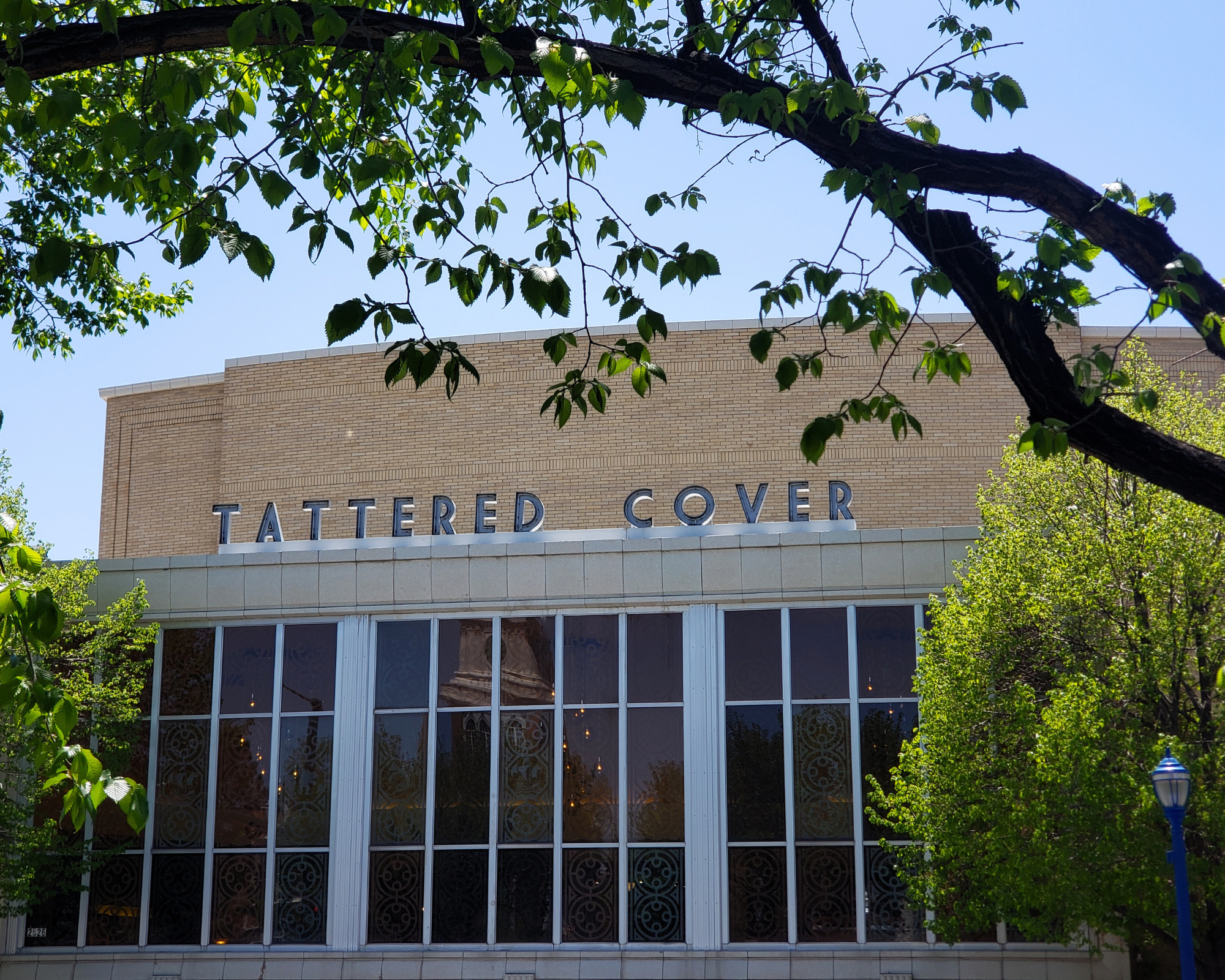
2526 E Colfax Avenue Denver, CO
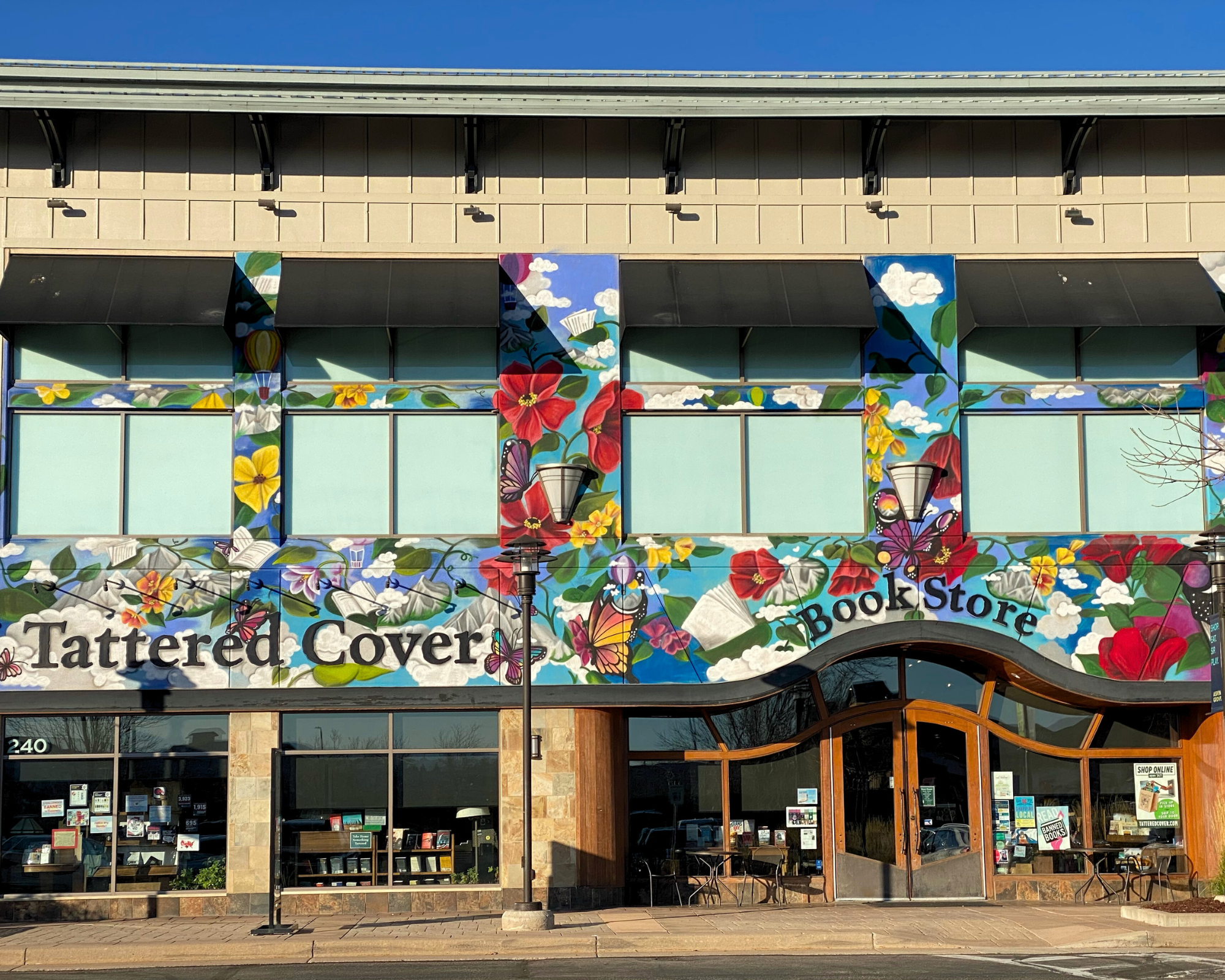
7301 S Santa Fe Drive Littleton, CO
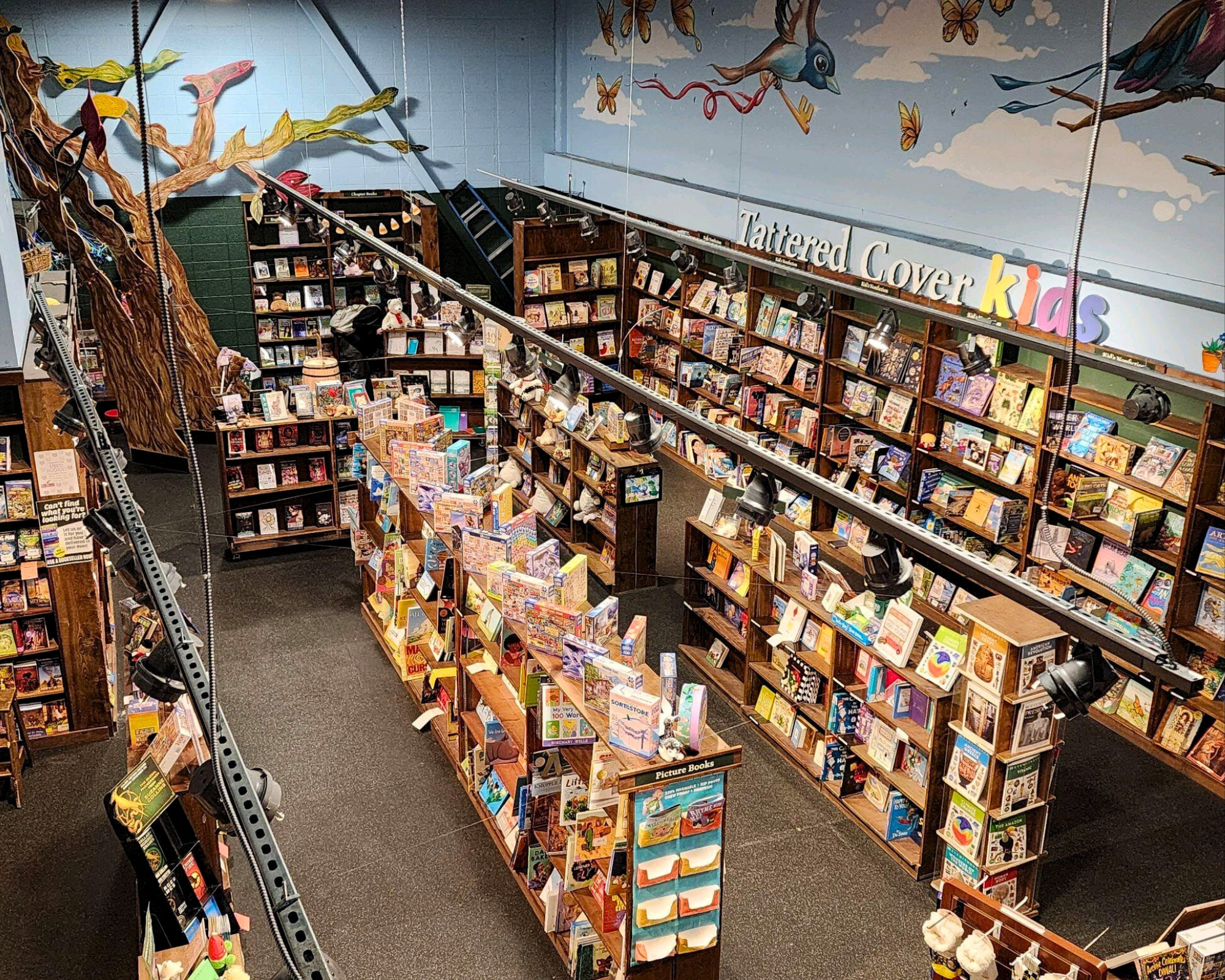
2501 Dallas St. Suite 144 Aurora, CO
1701 Wynkoop Street Denver, CO